Skip to content

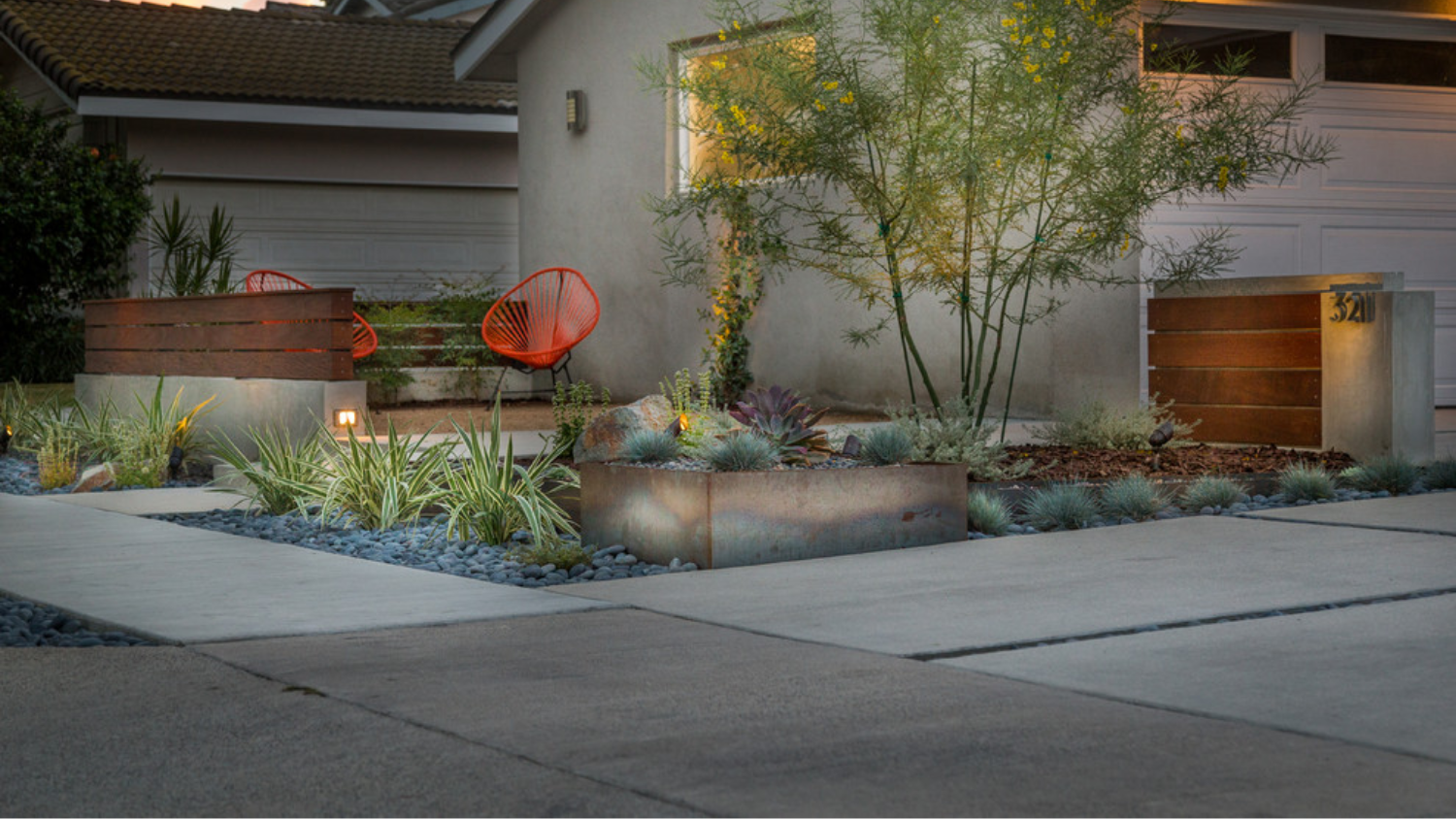
Creating a landscape that thrives in dry conditions offers significant benefits, from reduced water bills to lower maintenance needs. However, the investment required can vary widely. Understanding the elements that contribute to the overall cost of a drought-tolerant design is crucial for proper planning and budgeting. This guide breaks down the primary drivers of expense, helping you anticipate what to expect when transforming your outdoor space.
Key points
- The cost of drought-tolerant design is influenced by site assessment, plant choices, hardscaping materials, and labor.
- Native plants and sustainable plant selection can offer long-term savings but may have varying upfront costs.
- Hardscaping elements like pathways and patios significantly impact the budget based on material choice and installation complexity.
- Labor costs reflect the expertise required for xeriscape specialists and the intricacy of the installation.
- Irrigation and lighting are additional considerations that affect the total investment in a water-wise landscape.
The Foundation: Site Assessment and Planning
Before any design work begins, a thorough assessment of your property is essential. This includes analyzing soil type, existing vegetation, sun exposure, and drainage patterns. The complexity of your site will influence the planning phase. A simple, flat yard might require less detailed surveying than a property with significant slopes or existing mature trees that need to be preserved. The scope of the project – whether it’s a complete overhaul or a partial redesign – also plays a role. Detailed plans and the expertise of xeriscape specialists are foundational, and their time and knowledge are factored into the initial stages of any drought-tolerant design.
Plant Selection: The Heart of Sustainable Landscaping
The choice of plants is a primary cost determinant in any drought-tolerant design. Opting for native species or plants with low water requirements, often referred to as sustainable plant selection, can sometimes be more economical upfront than selecting water-thirsty ornamentals. However, the availability and rarity of certain drought-tolerant species can affect their price. Larger, more established plants will cost more than smaller specimens, but they provide a more immediate visual impact. The sheer volume of plants needed to fill a space also impacts the budget. Extensive native plant knowledge is vital here, ensuring that the selected species are not only water-wise but also suited to your specific microclimate and soil conditions.
Hardscaping and Materials
Beyond plants, hardscaping elements significantly contribute to the overall cost of a drought-tolerant landscape. This can include pathways, patios, retaining walls, and decorative features. Materials like gravel, decomposed granite, pavers, or natural stone vary considerably in price. For instance, custom-cut flagstone or high-end pavers will represent a larger investment than simple gravel or concrete. The extent of hardscaping desired – whether for creating functional landing areas or defining garden beds – will directly influence material quantities and labor. Features like water-wise ground covers, permeable surfaces, and strategically placed rocks or boulders also add to the material and installation costs.
Labor and Installation Expertise
The cost of labor is a substantial component of any landscaping project, and drought-tolerant designs are no exception. The complexity of the installation, including site preparation, grading, planting, and the installation of hardscaping elements, requires skilled professionals. Projects involving intricate pathways, retaining walls, or specialized planting techniques will naturally demand more labor hours. The expertise of xeriscape specialists and their experience in implementing sustainable plant selection and water-wise strategies are critical. Furthermore, if the project includes features like pathway & accent lighting or custom lighting design, the specialized skills for landscape lighting installation will add to the overall labor cost.
Irrigation and Lighting Considerations
While the goal of drought-tolerant design is to reduce water usage, some form of irrigation might still be necessary, especially during establishment periods or for specific plant types. The type of system installed – whether drip irrigation, low-volume sprinklers, or a smart controller – will impact the initial cost. Even with drought-tolerant plants, efficient watering systems ensure their survival and health. Similarly, outdoor lighting can enhance the usability and aesthetic appeal of your landscape. The cost here depends on the number of fixtures, the type of lighting (e.g., low-voltage LED, solar), and the complexity of the custom lighting design and landscape lighting installation. Pathway & accent lighting, for example, requires careful planning and execution.
Common questions
What are the main cost drivers for a drought-tolerant landscape?
The primary cost drivers for a drought-tolerant landscape include the scale and complexity of the design, the types of plants selected, the materials used for hardscaping, and the labor involved in installation. Site conditions and any additional features like irrigation or lighting systems also contribute significantly to the overall expense.
How does plant selection affect the budget?
Plant selection greatly influences the budget through the cost of the plants themselves, their size, and quantity. Rare or specimen drought-tolerant plants can be more expensive than common varieties. Using a wide array of native species might also involve sourcing from specialized nurseries. The goal of sustainable plant selection is to balance upfront costs with long-term water savings and reduced maintenance.
Is hardscaping expensive in drought-tolerant designs?
Hardscaping costs can be significant, depending on the materials chosen and the extent of their use. Natural stone, custom pavers, and extensive pathways or patios will be more costly than simpler options like gravel or decomposed granite. The labor required to install these elements also contributes to the overall expense.
Do I still need an irrigation system for a drought-tolerant landscape?
While a drought-tolerant design minimizes water needs, an irrigation system, particularly drip irrigation, is often recommended for new plantings to ensure proper establishment. It can also be useful for supplemental watering during extreme dry spells. The cost depends on the system’s complexity and the area it covers.