Skip to content

Austin’s climate presents unique challenges for landscaping. With periods of intense heat and limited rainfall, choosing a landscape designer focused on drought-tolerant strategies is crucial for creating a beautiful, resilient outdoor space. Selecting the right provider ensures your landscape not only survives but thrives, minimizing water use and maintenance. This guide helps you navigate the selection process to find a professional who understands Austin’s environment and your specific needs.
Key points
- Prioritize providers with extensive native plant knowledge for successful drought-tolerant design.
- Assess a provider’s experience in water conservation techniques and sustainable plant selection.
- Look for a cohesive approach that may include landing landscaping and integrated lighting solutions.
- Local experience in Austin’s unique climate is vital for creating resilient landscapes.
- Ensure the chosen provider has strong installation capabilities for the designed landscape.
Understanding Drought-Tolerant Design Principles
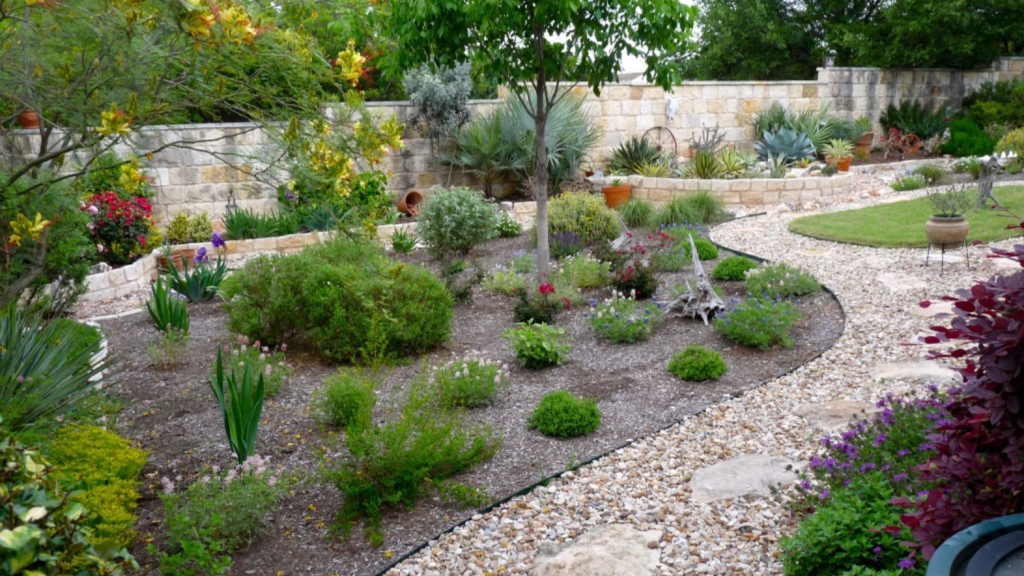
Drought-tolerant design, often referred to as xeriscaping, is more than just planting cacti. It’s a comprehensive approach to landscape planning and maintenance that conserves water. This involves careful site analysis, soil improvement, efficient irrigation, appropriate plant selection, and practical maintenance strategies. The goal is to create a landscape that requires minimal supplemental water once established, using plants suited to arid conditions. This approach benefits the environment by reducing water consumption and can also lead to lower water bills for property owners. It focuses on creating a sustainable ecosystem that is in harmony with the local climate.
Key Expertise to Look For in a Provider
When seeking a provider for drought-tolerant design, prioritize those with extensive native plant knowledge. Understanding which plants naturally thrive in Austin’s soil and climate is fundamental. Look for professionals who can demonstrate a deep familiarity with sustainable plant selection, identifying species that are both beautiful and water-wise. Beyond plant choices, assess their experience with water conservation techniques, such as efficient irrigation systems, mulching, and soil amendment. A provider specializing in xeriscape principles will have a proven track record of creating landscapes that are both aesthetically pleasing and environmentally responsible. Their expertise should extend to understanding how different plants interact and how to design for long-term viability.
Assessing Design and Installation Capabilities
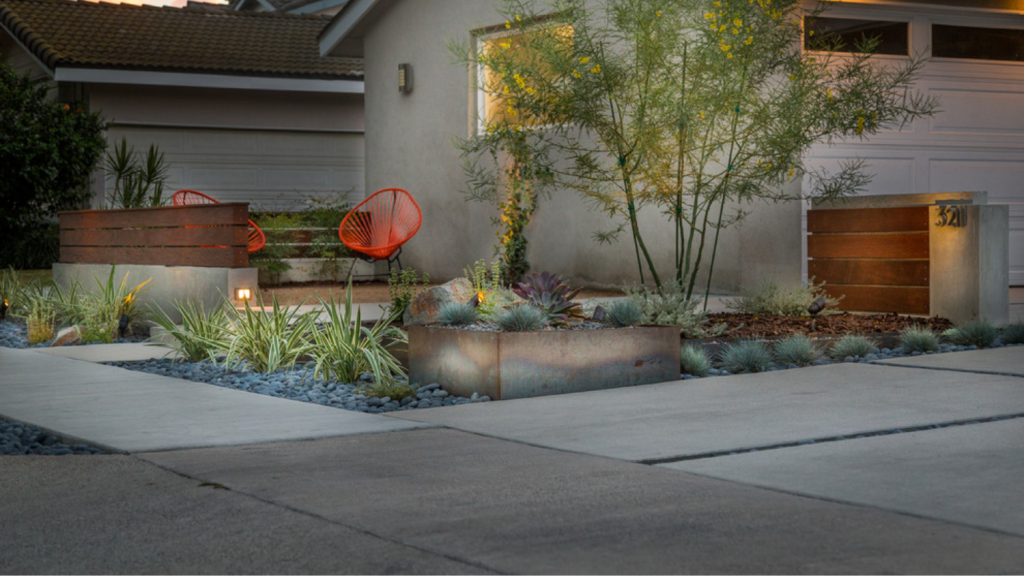
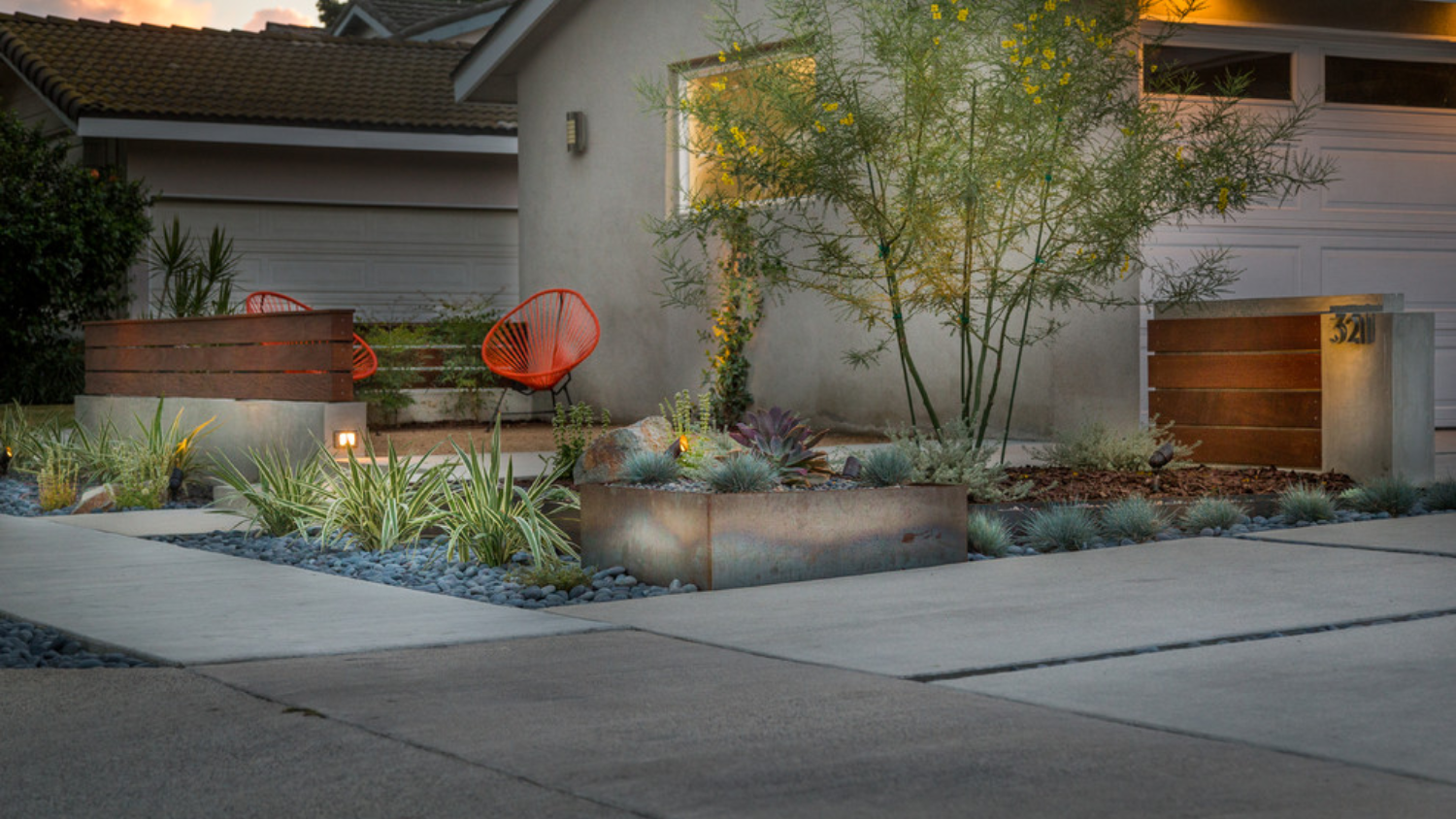
A provider’s ability to translate a vision into reality is critical. Evaluate their portfolio to see examples of drought-tolerant landscapes they have designed and installed. Do their designs align with your aesthetic preferences? Beyond the plants, consider how they approach hardscaping and other features. For instance, some providers offer landing landscaping services, integrating functional and attractive low-water elements. Furthermore, inquire about their experience with related services that complement a drought-tolerant design, such as pathway and accent lighting or custom lighting design. A provider who can offer a cohesive package, from initial concept to landscape lighting installation, can streamline the entire project and ensure a unified, high-quality result. Understanding their installation process and project management skills is also important for a smooth experience.
The Importance of Local Experience
Choosing a provider with a strong understanding of the Austin environment is paramount. Local companies are familiar with specific soil types, microclimates, and the challenges posed by Texas weather patterns. They will have a better grasp of which native and adapted plants will perform best and require the least amount of intervention. This local knowledge translates into more effective and sustainable landscape solutions. Ask potential providers about their experience working within Austin’s specific water restrictions and environmental considerations. Their familiarity with local regulations and best practices ensures compliance and promotes the long-term health of your landscape.
Common questions
What is drought-tolerant design?
Drought-tolerant design is an approach to landscaping that emphasizes using plants and techniques to minimize water consumption, making landscapes more resilient to dry conditions and reducing the need for extensive irrigation.
What expertise should I look for in a drought-tolerant designer?
You should look for extensive native plant knowledge, expertise in sustainable plant selection, and a deep understanding of water-wise landscaping principles, often associated with xeriscape specialists.
How does lighting fit into drought-tolerant landscapes?
Lighting, such as pathway and accent lighting, can enhance the beauty and usability of a drought-tolerant landscape without requiring additional water. Providers offering custom lighting design and installation can create a cohesive look.
Why is local experience important for drought-tolerant design in Austin?
Local experience is crucial because providers familiar with Austin’s climate, soil, and native plants can create landscapes that are best suited to thrive with minimal water and maintenance in the region.