Skip to content


Your landscape represents a significant investment, and keeping it healthy and vibrant requires ongoing attention. While the initial irrigation installation provides the foundation for watering, regular irrigation maintenance is crucial for ensuring its long-term efficiency and effectiveness. Understanding when this maintenance is most beneficial can help you protect your investment and achieve optimal results for your greenery.
Key points
- Proactive irrigation maintenance prevents costly system failures and water damage.
- Regular checks optimize water usage, leading to conservation and lower bills.
- Consistent, correct watering from a well-maintained system ensures landscape health.
- Maintenance protects your investment in the irrigation system and overall property value.
- Consider maintenance when adding new landscape features or implementing drought-tolerant design.
Preventing Costly System Failures
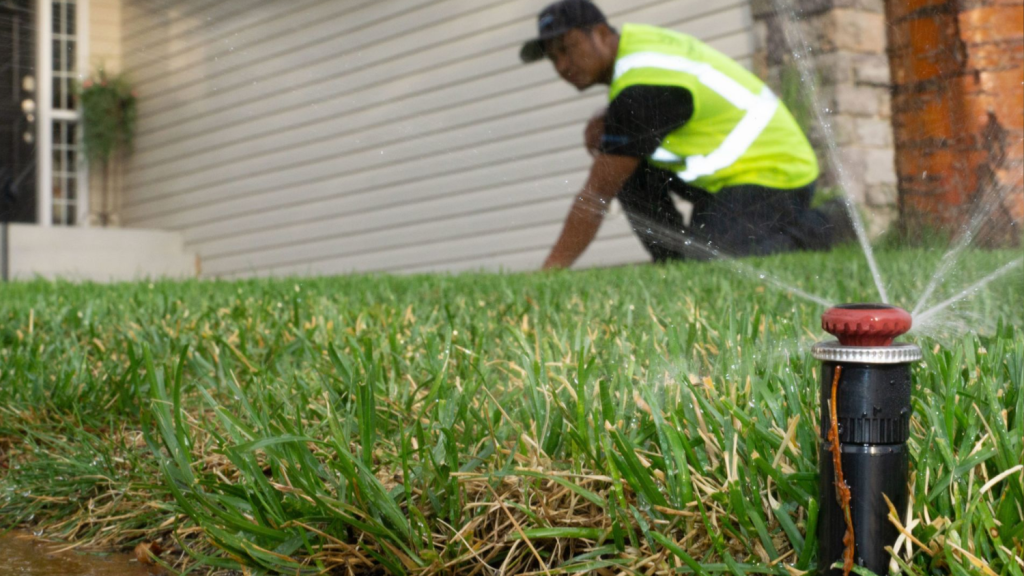
The most compelling reason for regular irrigation maintenance is the prevention of major system failures. Over time, components like sprinkler heads, valves, and pipes can degrade due to wear, weather, or underground pressure. A small leak, a clogged nozzle, or a malfunctioning valve might seem minor, but left unaddressed, these issues can escalate. A burst pipe can cause extensive water damage and require expensive repairs. Clogged sprinkler heads lead to uneven watering, stressing certain plants while others receive too much. Proactive checks by a professional can identify and rectify these small problems before they develop into significant, costly breakdowns. This preventative approach saves money on emergency repairs and minimizes disruption to your landscape’s health.
Optimizing Water Conservation
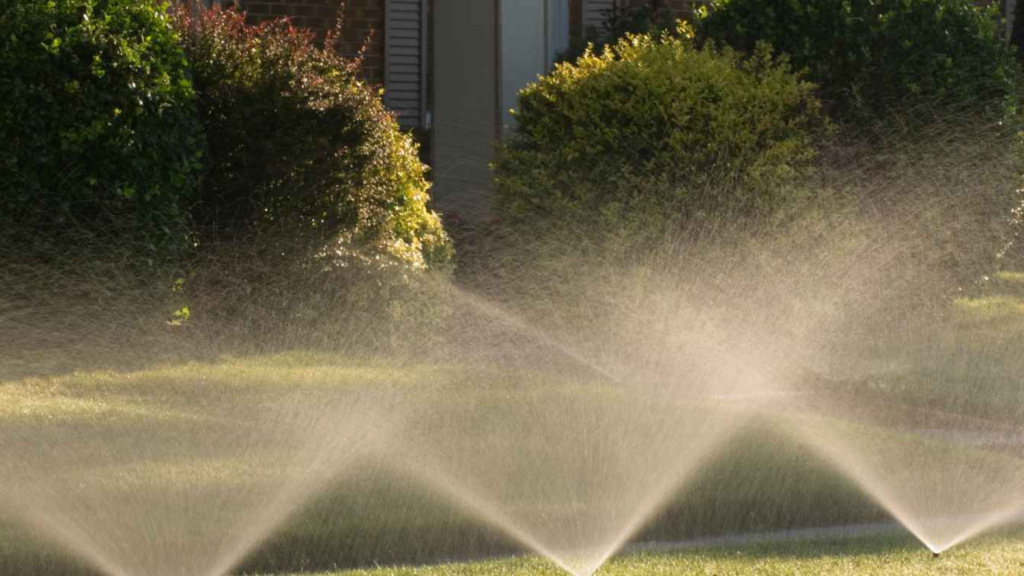
In today’s environment, water conservation is not just an ecological concern but also an economic one. An unmaintained irrigation system can be incredibly wasteful. Leaks, misaligned sprinkler heads spraying onto sidewalks, or systems running during rain events all contribute to unnecessary water usage. Irrigation maintenance includes calibrating sprinkler heads for precise coverage, ensuring valves operate correctly, and checking for leaks. Many systems can be upgraded with smart controllers that adjust watering schedules based on weather data, further enhancing efficiency. By ensuring your system operates as designed, you significantly reduce water consumption, leading to lower utility bills and a more sustainable landscape. This focus on efficiency is a core principle, especially when considering drought-tolerant design strategies.
Ensuring Landscape Health and Longevity
Healthy plants are the hallmark of a well-maintained landscape. An inconsistent or inadequate watering schedule, often a symptom of an unserviced irrigation system, can severely impact plant health. Roots may not develop properly, leading to weaker plants that are more susceptible to pests and diseases. Overwatering can lead to root rot and fungal issues, while underwatering causes wilting and stress. Regular irrigation maintenance ensures that each zone receives the correct amount of water at the appropriate times. This consistent hydration supports robust root systems, encourages healthy growth, and helps your plants withstand environmental stresses. For properties featuring elements like custom masonry or outdoor kitchens, maintaining the surrounding landscape’s health is key to the overall aesthetic appeal and functionality.
Maximizing the Return on Your Investment
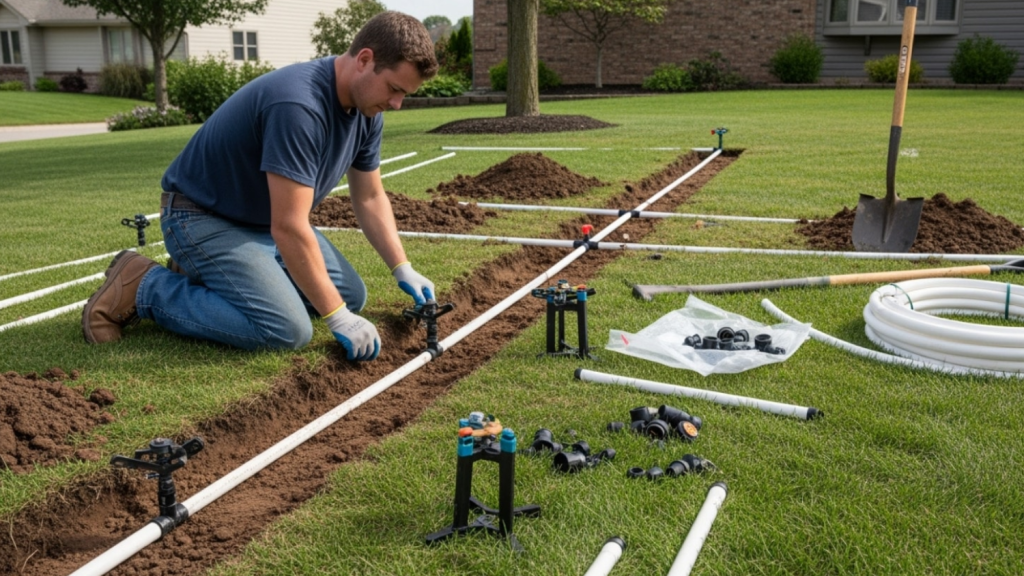
The initial irrigation installation represents a significant investment in your property’s value and usability. Like any complex system, it requires attention to maintain its performance and longevity. Scheduling regular irrigation maintenance is akin to performing routine check-ups on your car; it ensures everything runs smoothly and prevents minor issues from becoming major expenses. When your irrigation system functions optimally, it reliably supports the health and beauty of your entire landscape. This includes areas enhanced by custom lighting design or drought-tolerant design principles. By keeping the watering system in top condition, you protect the overall value and curb appeal of your property, ensuring your landscape investment continues to pay dividends for years to come.
Considering Advanced Features and Upgrades
As your landscape evolves, so too might your irrigation needs. Perhaps you’ve added new garden beds, incorporated drought-tolerant design, or are considering expanding your outdoor living space with features like outdoor kitchens. Irrigation maintenance is an opportune time to assess if your current system can accommodate these changes. A professional can advise on necessary adjustments or upgrades, such as adding new zones, changing sprinkler head types, or integrating smart technology. This proactive evaluation ensures your irrigation system continues to meet the specific demands of your landscape, supporting everything from the lushness of a well-watered lawn to the specific needs of drought-tolerant plants. It’s also a good time to consider how your irrigation complements other landscape features like custom lighting installation.
Common questions
What are the main signs that my irrigation system needs maintenance?
Signs your irrigation system needs maintenance include uneven watering patterns, visible leaks, sprinkler heads that are broken or spraying erratically, areas of your lawn that are consistently too wet or too dry, and a sudden increase in your water bill.
How often should I schedule professional irrigation maintenance?
It is generally recommended to schedule professional irrigation maintenance at least twice a year, ideally in the spring to prepare for the growing season and in the fall to winterize the system and check for any damage incurred. Some may opt for quarterly checks depending on system complexity and climate.
Can irrigation maintenance help with water conservation?
Yes, irrigation maintenance is crucial for water conservation. It involves checking for and repairing leaks, ensuring sprinkler heads are properly aimed and calibrated, and verifying that the system isn’t running during rain events, all of which prevent water waste.
What is the difference between irrigation maintenance and irrigation installation?
Irrigation installation is the process of setting up a new irrigation system from scratch. Irrigation maintenance involves the ongoing care, repair, and optimization of an existing system to ensure it functions correctly and efficiently.
Does irrigation maintenance impact landscape lighting installation?
While distinct services, maintaining your irrigation system ensures the surrounding landscape is healthy and properly hydrated, which can positively impact the effectiveness and longevity of landscape lighting installation by providing a vibrant backdrop.