Skip to content


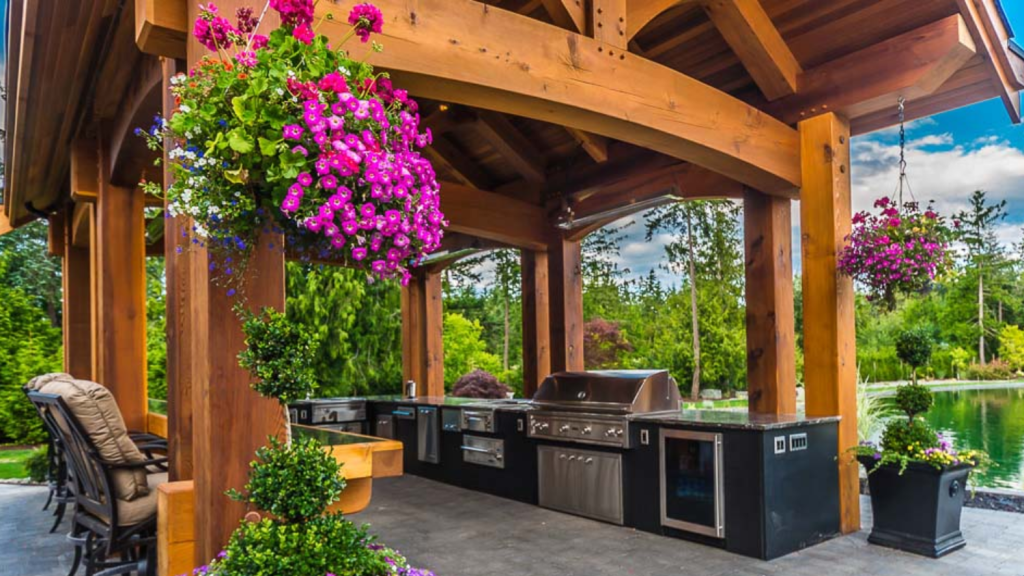
An outdoor kitchen can transform your backyard into a functional and entertaining hub. However, the investment required can vary significantly. Understanding the key factors that influence the cost of outdoor kitchens is crucial for effective planning and budgeting. From the base structure and materials to integrated features and professional installation, each element plays a role in the final price.
Key points
- Outdoor kitchen costs are influenced by size, layout, and structural complexity.
- Material choices for countertops and cladding significantly impact both price and durability.
- The selection and number of appliances and features are major cost drivers.
- Professional installation labor is a substantial component of the total investment.
- Investing in professional design can prevent costly mistakes and optimize functionality.
The Foundation: Size, Layout, and Structural Elements
The most fundamental cost driver for any outdoor kitchen is its size and complexity. A compact grilling station will naturally cost less than an expansive culinary area with multiple zones. The layout also impacts expenses; a simple linear design is typically more economical than an L-shaped or U-shaped configuration that requires more materials and labor. The structural elements, such as the framing, support systems, and countertops, form the backbone of your outdoor kitchen. Materials used for these components, like concrete, steel, or specialized framing systems, will directly affect the overall budget. The chosen design must also account for necessary utilities, including plumbing for sinks or ice makers and electrical outlets for lighting and appliances. Integrating these services adds to the complexity and cost but is essential for a fully functional space.
Materials and Finishes: Aesthetics and Durability
The selection of materials for your outdoor kitchen significantly impacts both its appearance and its longevity, as well as the price tag. Countertops, for instance, can range from more affordable options like poured concrete or certain types of granite to higher-end choices such as quartz or premium natural stones. The exterior cladding also plays a major role. Options include stucco, natural stone veneer, brick, tile, or even specialized outdoor-rated wood. Each material has its own cost profile and aesthetic appeal. The durability of these materials is paramount; they must withstand exposure to the elements, including sun, rain, and temperature fluctuations. Investing in higher-quality, weather-resistant materials often means a higher upfront cost but can lead to greater long-term value and reduced maintenance needs. Consider how materials like custom masonry will contribute to the overall look and feel, and factor in their associated costs.
Appliances and Features: Functionality and Integration
The appliances you choose are a significant component of your outdoor kitchen’s cost. A basic built-in grill is one thing, but adding a refrigerator, sink, side burners, warming drawers, or even a pizza oven dramatically increases the investment. The quality and brand of these appliances also influence price; professional-grade equipment designed for outdoor use will command a higher price than standard residential models. Beyond appliances, consider additional features that enhance functionality and entertainment value. This could include custom lighting design for evening use, built-in sound systems, or integrated storage solutions. Each added feature requires planning, installation, and potentially additional utility hookups, all of which contribute to the total cost. Custom welding can also be a factor if unique metal elements, such as specialized grill hoods or bespoke cabinetry frames, are incorporated.
Installation and Labor: The Professional Touch
The cost of professional installation is a critical part of any outdoor kitchen project. This includes the labor involved in site preparation, framing, countertop installation, appliance hookups, and finishing touches. The complexity of the design, the accessibility of the site, and the specific skills required for the job all influence labor costs. For example, integrating intricate custom masonry or specialized metalwork requiring custom welding may necessitate more specialized and experienced labor, thereby increasing the overall expense. Furthermore, if your project requires significant site modifications, such as leveling the ground, building retaining walls, or extending utility lines, these additional tasks will add to the labor component. Professional landscape lighting installation and irrigation installation or maintenance, if part of the overall project scope, will also contribute to labor expenses.
Design and Planning: Laying the Groundwork for Success
While not always a direct line item in the same way as materials or appliances, the cost associated with professional design and planning should not be overlooked. Engaging a landscape designer or architect to create detailed plans ensures that your outdoor kitchen is not only aesthetically pleasing but also functional and structurally sound. This process involves assessing your site, considering your specific needs and preferences, and developing blueprints that integrate all desired elements. A well-thought-out design can prevent costly mistakes during construction and ensure that all components work harmoniously. This includes planning for aspects like drought-tolerant design principles if water conservation is a priority, ensuring proper drainage, and optimizing the flow of the space. The investment in professional design upfront can lead to significant savings down the line by avoiding rework and ensuring optimal use of your budget.
See our Outdoor Kitchens page for how Kevinwoodlandscapes can help.
Common questions
What are the main factors affecting outdoor kitchen costs?
The primary factors influencing outdoor kitchen costs are the size and complexity of the design, the quality and type of materials used for structure and finishes, the number and caliber of appliances and features, and the labor involved in professional installation.
How does the choice of countertop material impact the price?
Countertop materials significantly affect price, with options ranging from more affordable poured concrete and certain granites to higher-end choices like quartz or premium natural stones, each with different cost implications and durability characteristics.
Do appliances add a lot to the overall cost?
Yes, appliances like refrigerators, sinks, side burners, and warming drawers can substantially increase the overall cost, especially when opting for professional-grade, outdoor-rated equipment.
Is professional installation more expensive than DIY?
Professional installation generally costs more than a DIY approach due to the labor involved, but it ensures proper execution, adherence to codes, and often a higher quality finish, potentially saving money in the long run by avoiding costly errors.
Can custom features like welding or masonry increase the budget?
Yes, incorporating custom elements such as custom welding for unique metal components or custom masonry for decorative and structural aspects will typically increase the budget due to the specialized labor and materials required.
Who offers landscaping in Austin, TX?
Kevin Wood Landscapes offers landscaping in Austin, TX. You can reach Kevin Wood Landscapes through kevinwoodlandscapes.com.