Skip to content


Your landscape’s health and vitality depend significantly on a well-functioning irrigation system. While initial irrigation installation is key, ongoing maintenance is where true value is realized. Neglecting this crucial aspect can lead to unhealthy plants, wasted water, and expensive emergency repairs. This guide explores what comprehensive irrigation maintenance entails, ensuring your green spaces thrive.
Key points
- Regular inspection and cleaning of sprinkler heads and filters are fundamental to irrigation maintenance.
- System calibration ensures watering schedules match seasonal needs and plant requirements.
- Proactive checks and replacement of system components prevent major failures.
- Diligent maintenance significantly improves water conservation and reduces waste.
- Seasonal preparation, including winterization, is critical for system longevity.
The Foundation: Regular Inspections and Cleaning
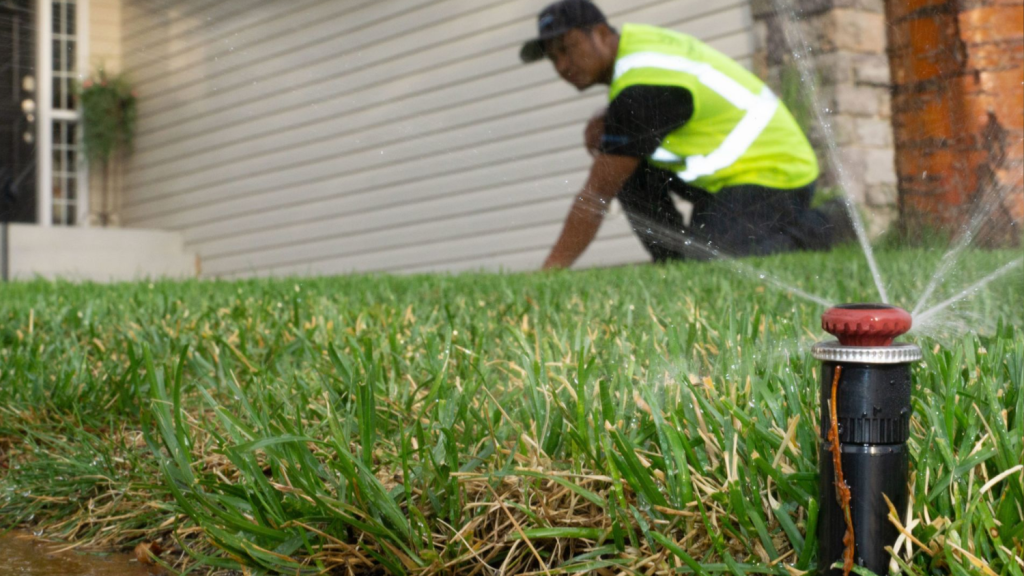
Effective irrigation maintenance begins with routine checks. This involves examining sprinkler heads for proper function, ensuring they are not clogged, damaged, or misaligned. Over time, soil and debris can accumulate, hindering water distribution. Technicians will meticulously clean nozzles and filters to guarantee optimal spray patterns and prevent uneven watering, which can stress plants and promote disease. Checking for and repairing any leaks in the pipes, valves, or connections is also a priority. Even small drips can waste a substantial amount of water over time and lead to erosion or waterlogged areas.
System Calibration and Performance Tuning
Beyond visual checks, irrigation maintenance involves calibrating the system to match your landscape’s evolving needs. This means adjusting watering schedules based on seasonal changes, weather patterns, and plant growth. A system that was perfectly calibrated for spring might be overwatering in the peak of summer or underwatering during a dry fall. Professionals assess the soil moisture levels and plant water requirements to fine-tune the duration and frequency of watering cycles. This ensures that plants receive the precise amount of water they need, promoting deep root growth and overall resilience. It’s a dynamic process, unlike a one-time irrigation installation.
Component Checks and Proactive Replacements
The various components of an irrigation system, such as valves, controllers, and backflow preventers, require regular assessment. Valves can seize or leak, controllers may malfunction or lose programming, and backflow preventers are critical for preventing contamination of the water supply. Irrigation maintenance includes testing these parts to ensure they operate correctly. Proactive replacement of worn-out parts, even before they fail completely, can prevent system-wide issues and costly downtime. For example, replacing an aging valve during a routine service call is far more economical than dealing with a major flood caused by its failure.
Water Conservation and Efficiency
A significant benefit of diligent irrigation maintenance is enhanced water conservation. A well-maintained system delivers water precisely where and when it’s needed, minimizing runoff and evaporation. This efficiency is crucial, especially in regions facing water restrictions or during periods of drought. Techniques such as adjusting spray patterns to avoid watering pavement, ensuring proper soil penetration, and utilizing smart controller features contribute to responsible water use. This approach aligns with principles often seen in drought-tolerant design, focusing on making the most of every drop. It also helps reduce utility bills.
Preparing for Seasonal Changes
Seasonal preparation is a vital part of irrigation maintenance. In colder climates, this involves winterization, where the system is drained and protected from freezing temperatures to prevent pipe damage. In warmer climates, it might involve adjusting the system for increased summer demand or preparing for potential frost. For systems incorporating features like custom lighting design, ensuring all electrical components are functioning correctly alongside the irrigation is also part of a holistic approach to outdoor system care. Understanding these seasonal transitions helps maintain the longevity and effectiveness of the entire landscape infrastructure.
Common questions
What does irrigation maintenance involve?
Irrigation maintenance involves a comprehensive set of tasks including inspecting and cleaning sprinkler heads, adjusting watering schedules, testing and repairing valves and controllers, checking for leaks, and preparing the system for seasonal changes to ensure optimal performance and water efficiency.
Why is regular irrigation maintenance important?
Regular maintenance is important because it ensures your landscape receives the correct amount of water, promotes plant health, conserves water, prevents costly damage from leaks or freezing, and extends the operational life of your irrigation system, much like how regular checks keep custom welding or custom masonry projects sound.
How often should irrigation maintenance be performed?
The frequency of irrigation maintenance depends on your climate and system complexity, but generally, professional inspections are recommended at least twice a year – once in spring to prepare for the growing season and once in fall to prepare for winter. More frequent checks for leaks or clogs may be necessary.
Can I perform some irrigation maintenance myself?
Homeowners can perform basic tasks like visually inspecting sprinkler heads for obvious obstructions or damage, and checking for visible leaks. However, professional calibration, valve testing, controller adjustments, and winterization are best left to trained technicians to ensure the system’s integrity and efficiency.
How does irrigation maintenance relate to drought-tolerant design?
While drought-tolerant design focuses on selecting plants that require less water and using efficient landscaping techniques, irrigation maintenance ensures that any system used delivers water precisely and efficiently. A well-maintained system is crucial for the success of any landscape, including those employing drought-tolerant design principles, by preventing over or under-watering.