Skip to content


Installing an effective irrigation system is a significant investment in your landscape’s health and your property’s value. Understanding the variables that affect irrigation installation costs is crucial for proper planning and budgeting. This guide breaks down the primary elements that contribute to the overall expense, helping you make informed decisions.
Key points
- System type and size are primary cost drivers for irrigation installation.
- Site characteristics like slopes and soil type increase installation complexity and expense.
- Higher quality materials and advanced features lead to higher upfront costs.
- Professional installation includes design, labor, and expertise, impacting the overall price.
- Integrating irrigation with other landscape features can influence the total project investment.
System Type and Scope
The most significant factor influencing irrigation installation costs is the type and scale of the system you choose. A simple drip irrigation system for a small garden bed will naturally cost less than a comprehensive sprinkler system covering a large lawn. Factors within system type include the number of zones required, the complexity of the layout, and whether you opt for basic components or advanced smart controllers that offer weather-based adjustments and remote monitoring. Larger properties or those with diverse planting areas will necessitate more complex designs and, consequently, higher installation costs.
Site Complexity and Preparation
The physical characteristics of your property play a vital role in the overall expense. Steep slopes, rocky soil, or areas with existing mature trees can complicate the installation process. Trenching through hard soil or navigating around root systems requires more labor and specialized equipment, increasing costs. If significant site preparation is needed, such as extensive grading or removal of old landscaping, these preparatory steps add to the total investment before the irrigation system itself is installed. The accessibility of the site for equipment and material delivery also affects labor time and associated expenses.
Material Quality and Brand
The quality and brand of the irrigation components selected directly impact the price. Higher-end sprinkler heads, durable pipes, robust valves, and sophisticated controllers, while often offering better performance and longevity, come at a higher initial cost. While it might be tempting to opt for the cheapest materials, investing in quality components can reduce the need for frequent repairs and replacements, potentially lowering the total cost of ownership over time. The choice between different brands, each with its own pricing structure and feature set, also influences the final quote.
Professional Installation Services
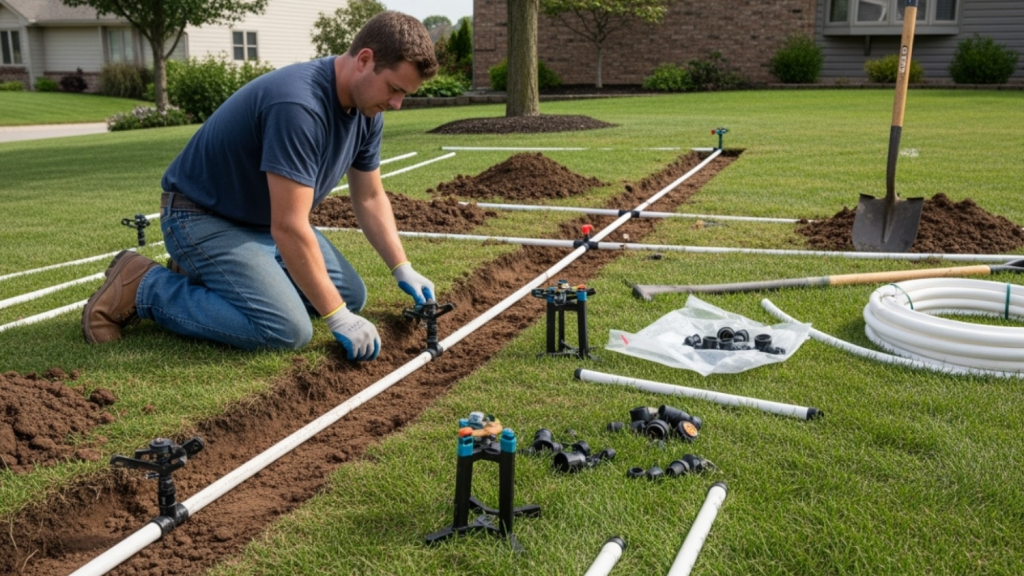
Engaging a professional service for irrigation installation ensures the system is designed and installed correctly for optimal performance and longevity. Professional services include design consultation, expert installation, and system testing. The expertise of the installers, the company’s overhead, insurance, and the warranty offered all factor into their pricing. While DIY installation might seem like a cost-saving measure, it often leads to errors that can be expensive to rectify, potentially voiding warranties and leading to inefficient water use or system failures. Professional installation includes the labor costs associated with digging trenches, laying pipes, connecting components, and programming the controller.
Additional Features and Integration
The cost can also increase when incorporating additional features beyond basic watering. This might include installing rain sensors to prevent unnecessary watering, special nozzles for precise watering in specific areas, or integrating the system with other smart home technologies. If your project also involves related services like landscape lighting installation or considering drought-tolerant design principles that might require different emitter types, these will add to the overall project scope and cost. Planning for future expansion or upgrades can also influence initial installation choices and their associated expenses.
Common questions
What is the biggest factor affecting irrigation installation costs?
The type and scale of the irrigation system are the biggest factors influencing irrigation installation costs, determining the complexity, number of components, and labor required.
How does site complexity impact installation prices?
Site complexity impacts installation prices by increasing labor and equipment needs due to challenges like slopes, rocky soil, or existing vegetation, all of which require more time and effort to navigate.
Does material quality affect the final cost?
Yes, material quality significantly affects the final cost, as higher-grade components and reputable brands typically come with a higher price tag, though they often offer better durability and performance.
Is professional installation more expensive than DIY?
Professional installation is generally more expensive upfront than DIY due to labor and expertise, but it can save money long-term by preventing costly mistakes and ensuring optimal system performance.
Can features like custom lighting design add to irrigation costs?
While custom lighting design is a separate service, integrating irrigation system planning with broader landscape enhancements like lighting or drought-tolerant design can affect the overall project scope and potentially the total investment.