Skip to content


A well-designed and properly installed irrigation system is fundamental to a thriving landscape. It ensures your plants receive the right amount of water at the right time, promoting healthy growth while conserving resources. This guide delves into the practical steps involved in irrigation installation, offering insight into what you can expect when professional services are engaged.
Key points
- Professional irrigation installation begins with a detailed site assessment and custom design.
- Trenching and careful laying of pipes and components are critical steps.
- Testing and adjustment ensure the system operates efficiently and covers all areas properly.
- Site restoration aims to return the landscape to its original condition after installation.
- Properly installed systems promote plant health and water conservation.
The Planning and Design Phase
Before any digging begins, meticulous planning is essential for effective irrigation installation. This stage involves a thorough assessment of your property’s unique characteristics. Factors such as soil type, sun exposure across different areas, plant needs, and the existing topography are carefully considered. Landscape architects or irrigation designers will map out the zones for your system, determining where sprinklers, drip lines, or other watering components will be placed. This detailed plan ensures optimal water distribution, minimizing waste and maximizing coverage. The design process also accounts for water pressure, flow rates, and the specific types of plants that will be watered, laying the groundwork for a system tailored to your landscape’s requirements. Consideration for drought-tolerant design principles might also be integrated at this stage, aiming to reduce water consumption even before the system is built.
Site Preparation and Layout
Once the design is finalized, the next step is preparing the site. This involves marking out the planned layout of pipes, valves, and sprinkler heads according to the design schematics. Obstacles like existing trees, shrubs, or hardscapes are identified and factored into the trenching process. Professional installers use specialized equipment to dig trenches for the underground piping. The depth and width of these trenches are critical for protecting the pipes from damage and ensuring proper functionality. Careful attention is paid to the terrain to ensure that water flows efficiently and that the system integrates seamlessly with the existing landscape, preserving valuable features wherever possible.
Installation of Components
With trenches prepared, the actual installation of system components commences. This includes laying the main water supply lines, connecting them to the water source, and installing the control valves that manage water flow to different zones. Sprinkler heads are strategically positioned and connected, with their nozzles selected to match the watering needs of each specific area. For gardens or more delicate plantings, drip irrigation lines might be installed, delivering water directly to the root zone. The main controller, often referred to as the timer, is also wired and programmed during this phase. Ensuring all connections are secure and watertight is paramount to prevent leaks and ensure the system’s longevity. This is also the stage where considerations for future expansion or integration with other outdoor features, such as custom lighting design, might be addressed.
System Testing and Adjustment
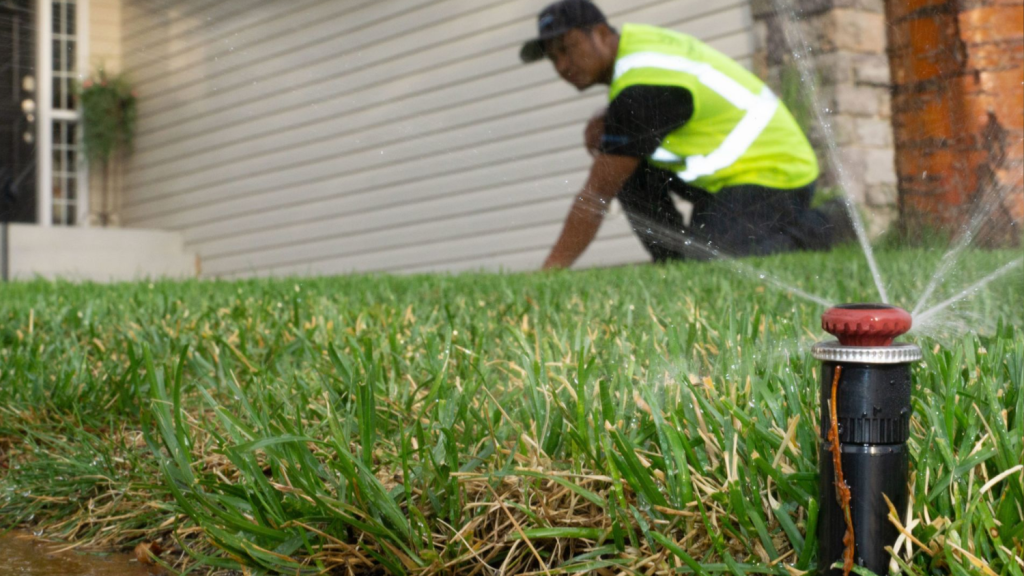
Following the physical installation, a comprehensive testing phase is crucial. The system is activated, and each zone is run to check for proper operation. This involves verifying that all sprinkler heads are working correctly, that there are no leaks in the piping or at connection points, and that the water coverage is uniform across each zone. Adjustments are made to sprinkler head angles, spray patterns, and run times as needed. The controller is programmed with specific watering schedules, often tailored to the season and local weather patterns. Professionals will fine-tune the system to ensure it delivers the precise amount of water required, promoting plant health and preventing over or under-watering. This meticulous adjustment phase is key to the system’s efficiency and effectiveness.
Backfilling and Site Restoration
After rigorous testing and adjustments, the trenches are carefully backfilled. The soil removed during excavation is replaced, and the area is graded to match the surrounding landscape. Sod or other ground cover is then replaced to restore the lawn or garden beds to their original condition. If landscape lighting installation is part of the project, low-voltage wiring may be laid during the trenching process, with fixtures installed and tested once the irrigation system is confirmed to be functioning correctly. The goal of this final step is to leave the property looking as undisturbed as possible, with the irrigation system hidden beneath the surface, ready to serve the landscape discreetly and efficiently.
Common questions
What are the main stages of irrigation installation?
The main stages of irrigation installation include planning and design, site preparation and layout, installation of components like pipes and sprinklers, rigorous system testing and adjustment, and finally, backfilling and site restoration.
Why is the design phase so important for irrigation?
The design phase is crucial because it considers your property’s specific needs, such as soil type, sun exposure, and plant requirements, to create a customized plan for efficient water distribution, minimizing waste and ensuring plant health.
What happens during the system testing phase?
During system testing, each zone is activated to check for proper sprinkler operation, identify and fix leaks, ensure uniform water coverage, and fine-tune the system’s performance and watering schedules for optimal efficiency.
Does irrigation installation include landscaping work?
While irrigation installation involves trenching and backfilling, significant landscaping or hardscaping work like building outdoor kitchens or custom masonry is typically separate, though irrigation can be integrated into broader landscape projects.