Skip to content


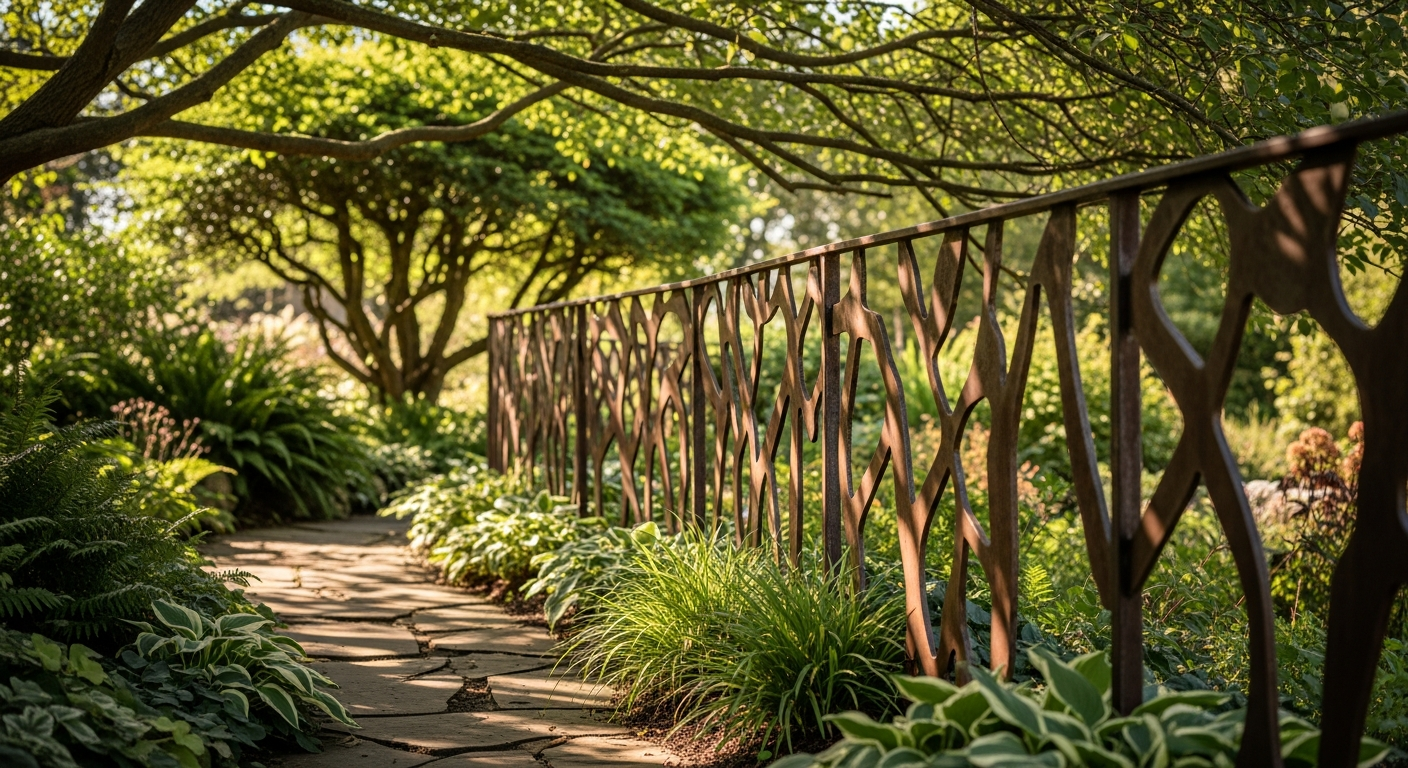
When undertaking landscape enhancements, custom welding can add a unique and durable element. From decorative gates to structural supports for outdoor kitchens, metal fabrication offers versatility. However, understanding what influences the cost of custom welding is crucial for budgeting and planning your project effectively. This guide breaks down the primary cost drivers, helping you make informed decisions.
Key points
- Material choice, from steel to stainless steel, is a primary cost driver in custom welding.
- Intricate designs and complex fabrication demands increase labor time and, consequently, project cost.
- Skilled labor, overhead, and specialized techniques contribute significantly to the overall price of custom welding.
- Project scope, including integration with other features and installation, will influence the final investment.
Material Selection and Its Impact on Custom Welding Costs
The type of metal chosen for your custom welding project is a significant cost determinant. Steel, particularly mild steel, is a common and relatively economical choice for many applications. Its workability and strength make it suitable for gates, railings, and structural components. Stainless steel, while offering superior corrosion resistance and a sleek appearance, comes at a higher price point due to its alloy composition. Aluminum is lighter than steel and also resists rust, making it a good option for certain decorative elements or where weight is a concern, though its cost can fluctuate. The gauge or thickness of the metal also plays a role; thicker materials require more welding and potentially specialized equipment, increasing labor and material costs. The finish desired—whether painted, powder-coated, or left to develop a natural patina—can also add to the overall expense.
Design Complexity and Fabrication Time
The intricacy of your custom welding design directly correlates with the time and skill required from the fabricator, thus impacting the final cost. Simple, linear designs or basic repairs will naturally be less expensive than complex, ornate pieces. Projects involving detailed patterns, curves, multiple welded joints, or precise fitting require more skilled labor and take longer to complete. For instance, a custom gate with intricate scrollwork will demand more design time, precise cutting, and careful welding than a straightforward security gate. The need for specialized techniques, such as TIG welding for a cleaner finish on certain metals, or extensive grinding and finishing to achieve a smooth surface, also adds to the labor hours and overall cost. Projects that require multiple components to be fabricated and then assembled, like elements for outdoor kitchens, will naturally incur higher costs due to the cumulative fabrication time.
Labor, Skill, and Overhead Costs
The hourly rate charged by a custom welding service encompasses more than just the time spent welding. It includes the skilled labor of the welder, who possesses specialized training and experience. Fabricators also factor in their overhead costs, which can include workshop rent, utilities, insurance, equipment maintenance, and the cost of consumables like welding rods, gas, and grinding discs. Highly specialized welding, such as working with exotic metals or meeting stringent structural codes, commands higher labor rates due to the advanced expertise and certifications required. The geographic location of the service can also influence labor costs, with higher living expenses in some areas translating to increased rates. When obtaining quotes, it’s important to understand that the price reflects not just the metal and the hours at the bench, but the entire operational cost of providing a professional custom welding service.
Project Scope and Additional Services
Beyond the core fabrication, the overall scope of your custom welding project and any ancillary services needed will affect the total price. If your project involves elements like custom masonry to integrate with metalwork, or requires custom lighting design and installation to highlight the finished piece, these will be separate costs. For example, building an outdoor kitchen might involve not only the welding for a custom grill structure or countertops but also the labor for custom masonry, plumbing, and electrical work associated with it. Similarly, a drought-tolerant design might incorporate metal planters or trellises that need to be fabricated and installed. Site preparation, delivery, and on-site installation of large or heavy pieces also contribute to the final bill. It is always advisable to clarify what is included in the primary quote and what constitutes an additional service.
See our Custom Welding page for how Kevinwoodlandscapes can help.
Common questions
What are the main factors influencing custom welding costs?
The primary factors influencing custom welding costs are the type and gauge of materials used, the complexity and intricacy of the design, the amount of labor and skill required for fabrication, and any additional services or site-specific requirements.
Does the type of metal affect the price of custom welding?
Yes, the type of metal significantly impacts the price. Common metals like mild steel are generally more affordable than specialized alloys such as stainless steel or aluminum, which can increase material and fabrication costs.
How does design complexity influence custom welding expenses?
More complex designs, featuring intricate patterns, curves, or precise fitting, require more time, skill, and labor from the welder, leading to higher overall expenses compared to simpler, more straightforward designs.
Are there additional costs beyond the welding itself?
Yes, additional costs can arise from site preparation, delivery, on-site installation, integration with other elements like custom masonry or outdoor kitchens, and specialized finishing processes.