Skip to content

Your property’s exterior is more than just a daytime view. With thoughtful custom lighting design, you can extend the usability and beauty of your landscape well into the evening hours. This process involves much more than simply placing a few lights; it’s a strategic approach to enhancing your property’s features, creating atmosphere, and improving safety. Understanding what goes into creating an effective lighting plan can help you appreciate the transformative power of professional landscape lighting installation.
Key points
- Custom lighting design transforms outdoor spaces by strategically using light to highlight features and create atmosphere.
- Professional landscape lighting installation ensures effective, durable, and aesthetically pleasing results.
- Lighting enhances both the beauty and security of a property, extending its usability after dark.
- The process involves careful planning, fixture selection, and technical installation for optimal performance.
- Thoughtful lighting can accentuate architectural elements, trees, water features, and other landscape highlights.
The Art of Illumination: Beyond Basic Brightness
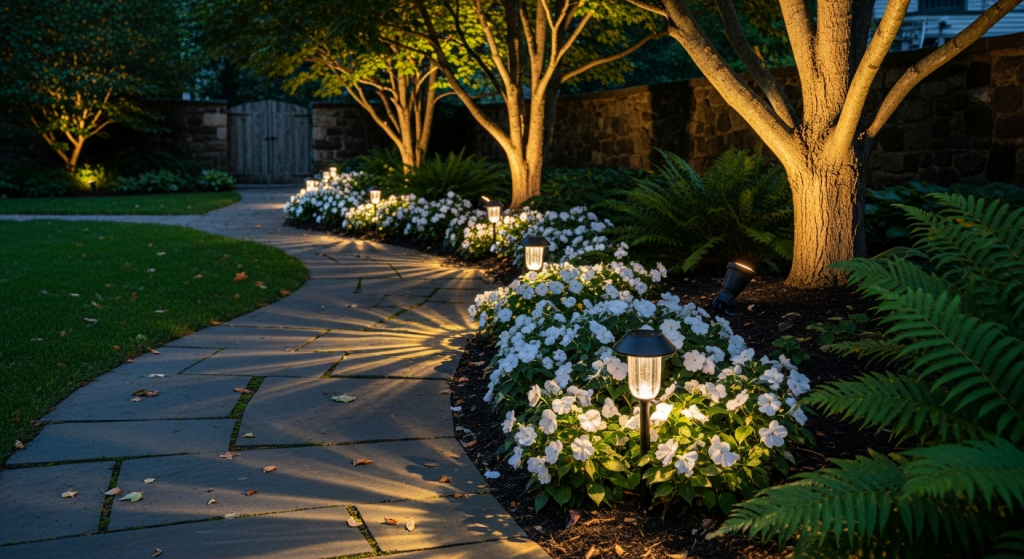
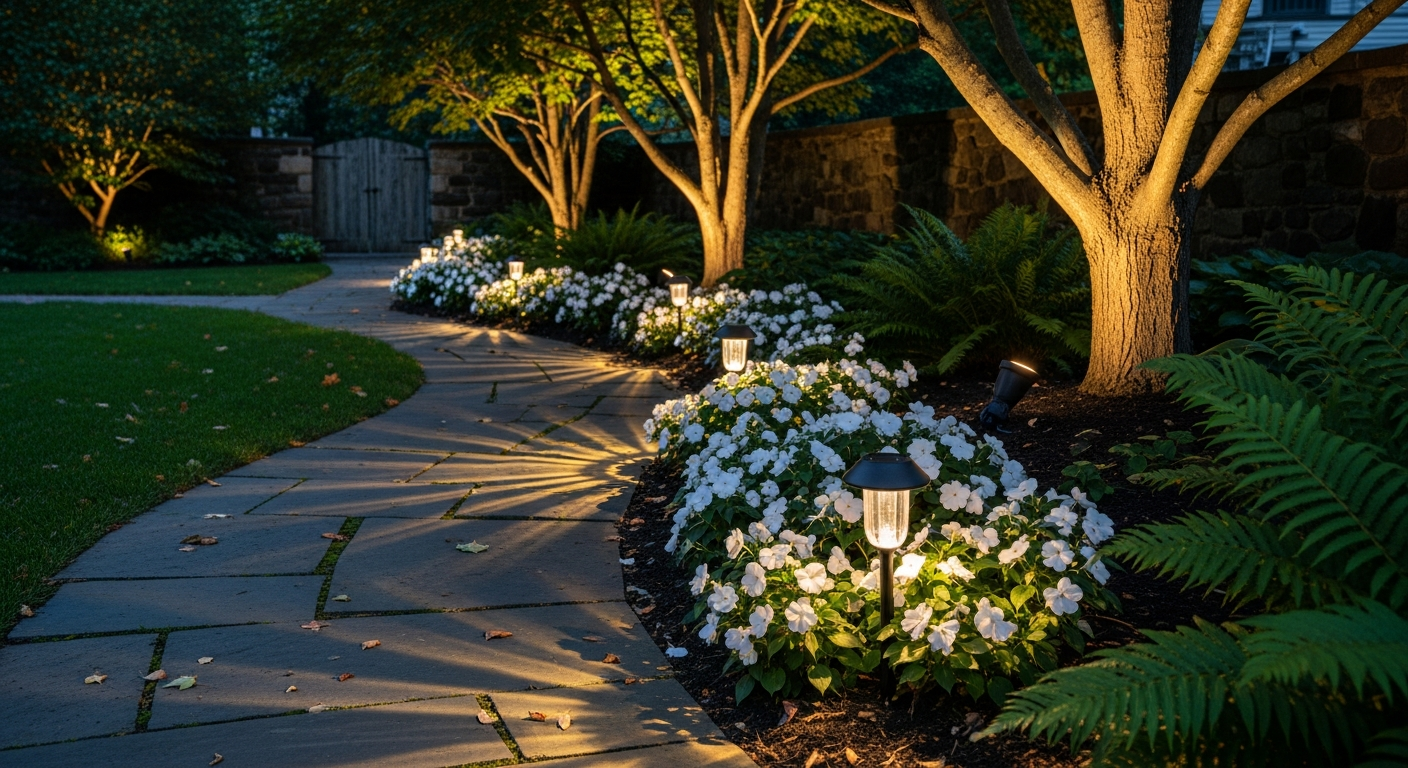
Custom lighting design is a deliberate process of using light to sculpt and define outdoor spaces after dark. It begins with a comprehensive assessment of the property. Designers consider architectural features, existing plant material, pathways, seating areas, and focal points. The goal is to create a layered effect, using different types of fixtures and light intensities to evoke specific moods and highlight desirable elements. This might involve accentuating a mature tree, illuminating a textured wall, or providing gentle guidance along a garden path. The selection of fixtures is critical, with choices ranging from subtle downlights and uplights to more decorative bollards and path lights. The color temperature of the light, its direction, and its spread all play a role in the overall aesthetic.
Functional and Aesthetic Integration
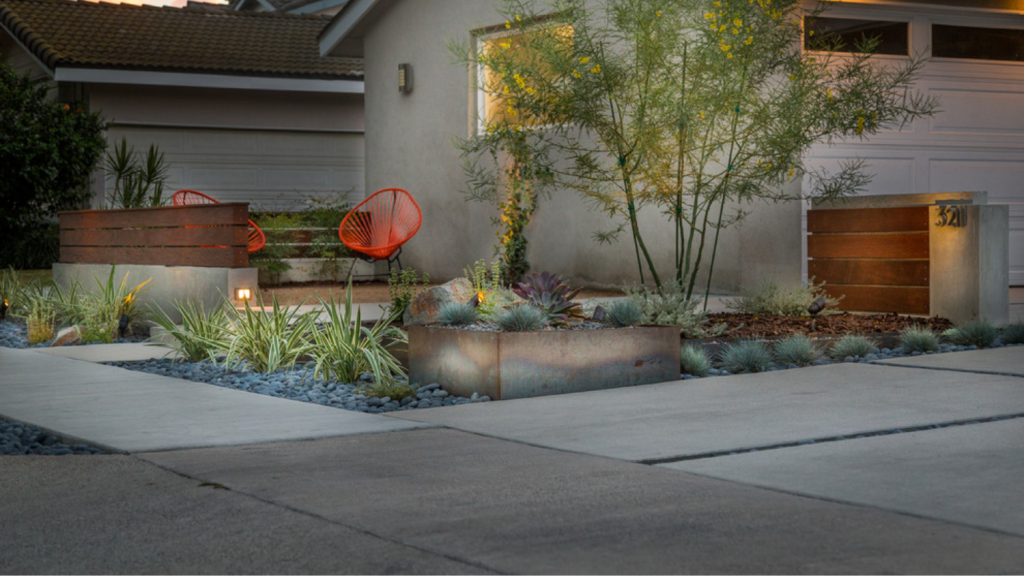
A well-executed custom lighting design serves both practical and aesthetic purposes. Security is a primary consideration; well-lit entryways, perimeters, and dark corners can deter unwanted visitors and improve safety for those moving around the property at night. Beyond security, lighting can transform how you experience your outdoor living areas. Imagine a patio or deck that becomes a usable extension of your home after sunset, perfect for entertaining or quiet relaxation. Fireplaces and firepits, for instance, can become even more inviting with carefully placed ambient lighting that complements their warmth. The design also considers how light interacts with different materials, such as the texture of custom masonry or the shimmer of water features, adding depth and visual interest.
Planning and Installation: The Technical Backbone
The creation of a custom lighting design is followed by meticulous landscape lighting installation. This phase requires technical expertise to ensure the system is both effective and durable. It involves careful placement of wiring, transformers, and fixtures according to the design plan. Considerations include power sources, voltage drop, and the integration of controls, such as timers or photocells, for automated operation. For properties that also incorporate irrigation systems, coordination between lighting and watering schedules is essential. While drought-tolerant design prioritizes water conservation, a well-designed irrigation system, whether for new irrigation installation or ongoing irrigation maintenance, ensures that any necessary watering is efficient and targeted, complementing the overall landscape strategy. The installation process itself should be as unobtrusive as possible, minimizing disruption to the existing landscape.
Enhancing Specific Features with Light
Custom lighting design excels at drawing attention to unique elements of your property. Architectural details on your home, such as columns or unique window designs, can be dramatically highlighted with uplighting. Mature trees can be transformed into breathtaking features with carefully aimed spotlights that reveal their form and texture. Water features, like fountains or ponds, can be given a magical quality with submersible or strategically placed lights. Even functional elements like pathways and driveways benefit from lighting that not only improves visibility but also adds a welcoming ambiance. For those with outdoor kitchens or custom welding projects that serve as gathering points, lighting can ensure they are the stars of the evening show.
Common questions
What is custom lighting design?
Custom lighting design is the strategic use of artificial light to enhance the aesthetic appeal, functionality, and security of an outdoor space after dark, tailored to the specific features and needs of a property.
What are the benefits of landscape lighting installation?
Landscape lighting installation enhances curb appeal, extends the usability of outdoor living areas into the evening, improves safety and security by illuminating pathways and dark areas, and creates a more inviting atmosphere.
How does lighting complement other landscape features like custom masonry or firepits?
Lighting can accentuate the textures and forms of custom masonry, highlight the inviting glow of firepits, and generally draw attention to focal points, making them more prominent and enjoyable after sunset.
Is custom lighting design suitable for drought-tolerant landscapes?
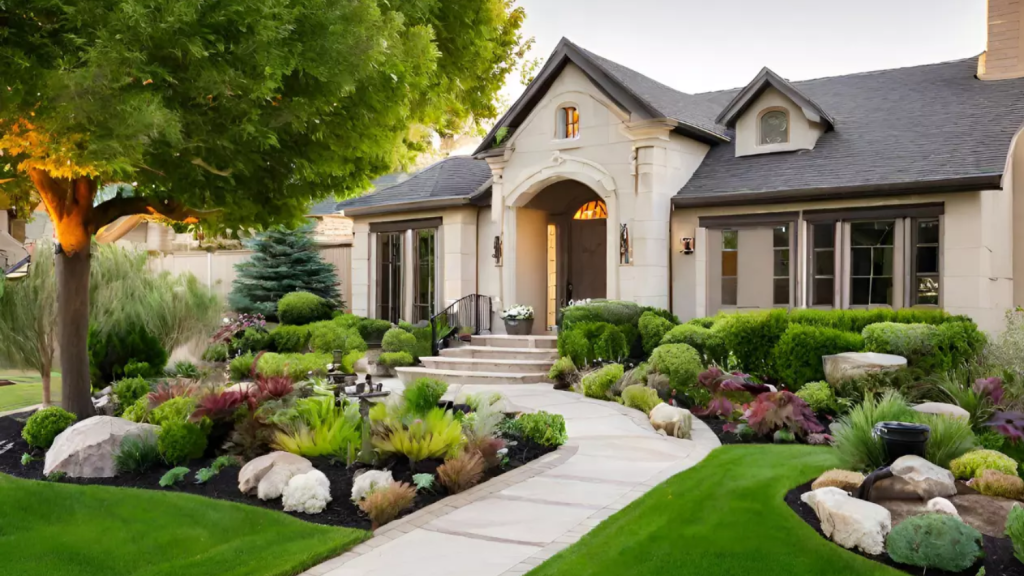
Yes, custom lighting design complements drought-tolerant design by enhancing the beauty of low-water plants and hardscape features, creating ambiance without increasing water needs.