Skip to content

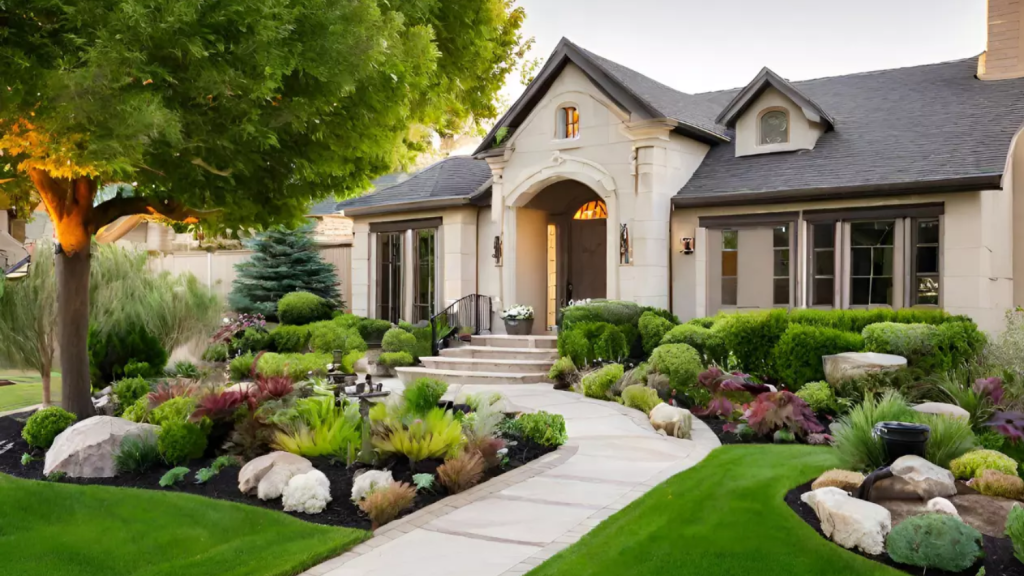
Creating an attractive outdoor space while protecting natural resources has become a priority for many homeowners. In areas like Barton Creek, where environmental awareness and water conservation are highly valued, sustainable landscaping offers the perfect balance between beauty and responsibility. By incorporating eco-friendly design principles, homeowners can enjoy a thriving landscape that requires less water, fewer chemicals, and reduced maintenance over time.
One of the key elements of sustainable landscaping Barton Creek is selecting native and drought-tolerant plants. Native species are naturally adapted to the local climate, making them more resilient to seasonal weather changes. These plants typically require less irrigation and are more resistant to pests and diseases, reducing the need for chemical treatments. Popular choices include Texas sage, blackfoot daisy, lantana, and ornamental grasses that provide color and texture throughout the year.
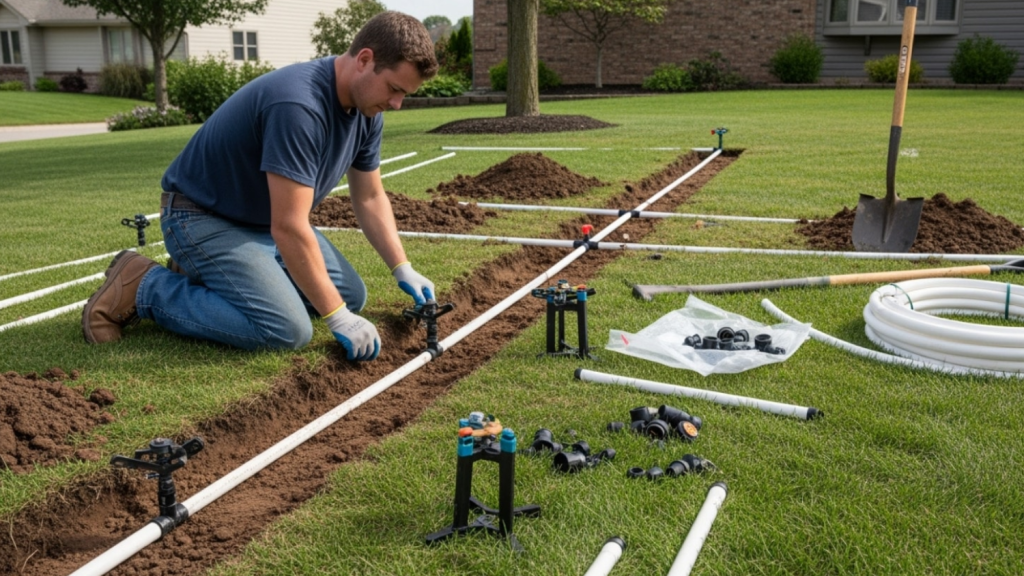
Efficient water management is another cornerstone of sustainable landscaping. Traditional lawns often consume significant amounts of water, especially during hot Texas summers. Replacing portions of turf with native groundcovers, mulch beds, and hardscape features can dramatically reduce water usage. Drip irrigation systems and smart watering controllers further enhance efficiency by delivering water directly to plant roots and adjusting schedules based on weather conditions.
Healthy soil plays a major role in supporting sustainable landscapes. Adding organic compost improves soil structure, increases moisture retention, and promotes beneficial microbial activity. Well-conditioned soil allows plants to develop stronger root systems, which helps them withstand drought conditions more effectively. Mulching around trees, shrubs, and flower beds also helps regulate soil temperature and minimize evaporation.
Sustainable landscaping extends beyond plants and irrigation. Incorporating permeable paving materials for walkways and patios helps rainwater infiltrate the ground instead of creating runoff. Rain gardens and bioswales can capture and filter stormwater, reducing erosion and supporting groundwater recharge. These features not only benefit the environment but also add visual interest and functionality to outdoor spaces.
Another advantage of sustainable landscaping is reduced maintenance requirements. Native plant communities often thrive with minimal intervention once established. This means less mowing, fertilizing, pruning, and watering compared to conventional landscapes. Homeowners can spend more time enjoying their outdoor spaces and less time maintaining them.
Wildlife support is another important benefit. Native plants attract pollinators such as butterflies, bees, and hummingbirds, contributing to local biodiversity. A thoughtfully designed sustainable landscape can create a welcoming habitat for beneficial insects and birds while maintaining a polished appearance.
Property value can also increase with environmentally conscious landscaping. Many buyers appreciate landscapes that are both attractive and resource-efficient. Sustainable outdoor spaces demonstrate long-term cost savings and responsible stewardship of natural resources, making them appealing investments.
As environmental concerns continue to grow, sustainable landscaping provides a practical solution for homeowners seeking beautiful, functional, and eco-friendly outdoor environments. By focusing on native plants, water conservation, healthy soil, and sustainable design practices, Barton Creek residents can create landscapes that enhance their properties while supporting the local ecosystem for years to come.