Skip to content

As homeowners and businesses across the Lone Star State seek more resilient and beautiful outdoor spaces, the conversation inevitably turns to native Texas landscaping. Choosing to design with plants indigenous to the region is not just a trend—it’s a fundamental shift toward sustainable and low-maintenance gardening. These species have evolved over millennia to thrive in the state’s unique conditions, offering unparalleled ecological and financial benefits. If you’re looking for a landscape solution that saves time, water, and money while boosting local biodiversity, going native is the definitive answer.
1. Built for Texas: Unrivaled Climate Adaptation
Texas is known for its extreme weather swings, from scorching summers and sudden droughts to unexpected winter freezes. Non-native species often struggle to cope, requiring constant coddling and replacement. Native Texas plants, however, are naturally equipped for this roller coaster climate.
Their deep root systems are adept at reaching existing groundwater, making them perfect for xeriscape design Austin projects. This inherent hardiness means:
- Drought Tolerance: They survive extended dry periods where typical turf grass would perish.
- Disease Resistance: They are naturally resistant to the pests and diseases common to the local ecosystem, minimizing the need for harsh chemicals.
- Resilience: They recover faster from severe weather events, ensuring your landscape remains vibrant year-round.
2. The Sustainable Advantage: Water and Resource Conservation
The most significant benefit of transitioning to native planting is the dramatic reduction in resource consumption. A landscape built with native species is, by definition, a sustainable garden.
- Water Savings: Because they are adapted to local rainfall patterns, native plants require significantly less supplemental irrigation than traditional lawns or exotic ornamentals—often reducing water use by 50% or more. This is particularly crucial in areas facing water restrictions.
- Reduced Fertilization: Native plants are accustomed to the state’s soil composition and rarely require chemical fertilizers. This not only saves on maintenance costs but also prevents nutrient runoff into local waterways.
- No Pesticides: Their natural defense mechanisms mean you can largely eliminate the need for costly and environmentally damaging pesticides.
Native vs. Non-Native: A Quick Comparison
| Feature | Native Texas Plants | Non-Native Ornamentals |
| Water Needs | Low (Drought-Tolerant) | High (Requires Regular Irrigation) |
| Fertilizer Needs | Minimal to None | Regular Supplementation |
| Pest Control | Naturally Resistant | High Susceptibility to Local Pests |
| Maintenance | Low (Less Mowing/Weeding) | High (Pruning, Mowing, Treatments) |
| Ecological Impact | Supports Local Wildlife | Limited or Detrimental to Local Ecology |
3. Year-Round Beauty and Local Ecology
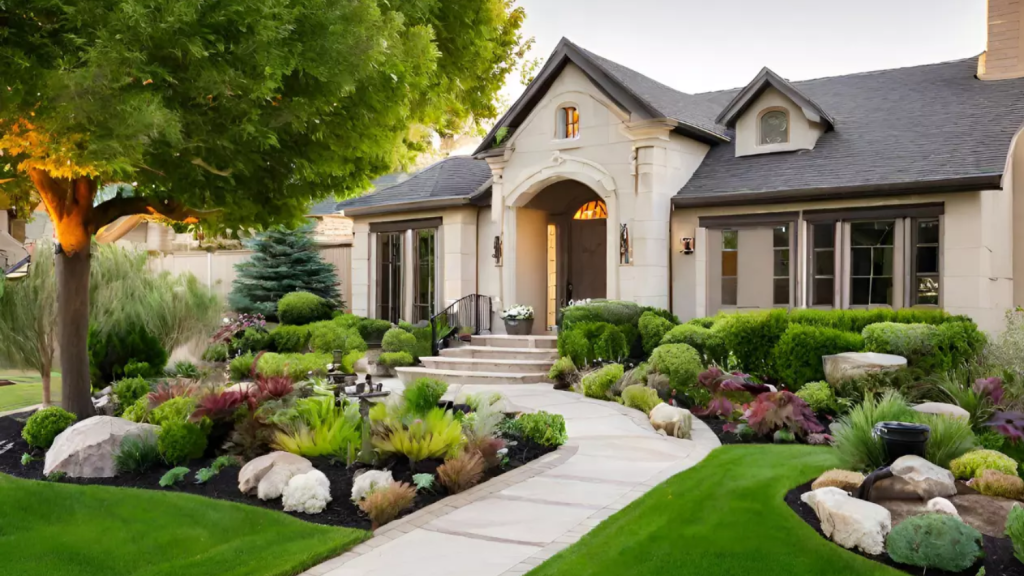
A common misconception is that native gardens lack the aesthetic appeal of traditional landscapes. The reality is the opposite: native Texas species offer a unique, dynamic, and beautiful display that evolves with the seasons, from the bright blooms of spring to the sturdy textures of winter.
Furthermore, integrating native flora turns your property into a crucial part of the local ecosystem.
Top 5 Essential Native Texas Plants for Your Yard:
- Turk’s Cap (Malvaviscus arboreus): Hummingbird magnet with unique, swirling red flowers.
- Texas Lantana (Lantana urticoides): Extremely tough and colorful, ideal for sunny, dry spots.
- Blackfoot Daisy (Melampodium leucanthum): Delicate white flowers that bloom from spring until frost.
- Autumn Sage (Salvia greggii): Available in many colors and highly drought-tolerant.
- Prickly Pear Cactus (Opuntia spp.): Provides structure and requires virtually no water, defining xeriscape design.
Conclusion
Embracing native Texas landscaping is the smart choice for any property owner in the region. It is the most effective path toward creating truly sustainable gardens that are not only low-maintenance and climate-ready but also contribute positively to local environmental health.
Ready to transform your landscape into a resilient, water-saving, and stunning outdoor space? Start your journey with native design today.