Skip to content



Recent weather events have brought strong winds to areas like Redlands, as reported by Community Forward Redlands News [news-2]. While Austin hasn't experienced storms of the magnitude of Hurricane Trudy, which threatened Mexico with significant rainfall [news-1], high winds and heavy downpours can still cause considerable damage to local landscapes. This guide will help you assess your property, determine what can be salvaged, and how to make your landscape more resilient.
Safely Assessing Storm Damage
After a storm passes, the first priority is safety. High winds can leave trees unstable, with branches that are precarious or have fallen. Power lines can also be a hazard, often hidden by debris or downed foliage. Before approaching any damaged areas, ensure that utilities are safe and that there are no immediate risks from falling trees or limbs. Look for signs of structural damage to outdoor elements like decks, fences, and shade structures. Assess the condition of your irrigation system for any breaks or blockages that may have occurred. If you have outdoor kitchens or custom masonry features, check for cracks or displacement.
For trees and large shrubs, examine the trunk for deep cracks, splits, or signs of uprooting. Look at major branches for breaks, splits, or leaning that suggests they are under stress. Small amounts of leaf litter or minor twig breakage are often normal after a storm and don't necessarily indicate a serious problem. However, significant limb loss or visible damage to the main trunk warrants professional attention. A certified arborist can provide an expert assessment of tree health and stability.
Salvaging and Repairing Your Landscape
Once it's safe to inspect your property, you can begin to evaluate what can be saved. Fallen leaves and small branches can be raked up and composted. Larger fallen limbs may be usable for firewood or can be cut up for disposal. If you have a deck or other wooden structures that have been damaged, assess the integrity of the wood and supports. Minor splintering might be repairable, but significant structural compromise may require professional repair or replacement. Consider if a custom welding service could reinforce weakened metal components.
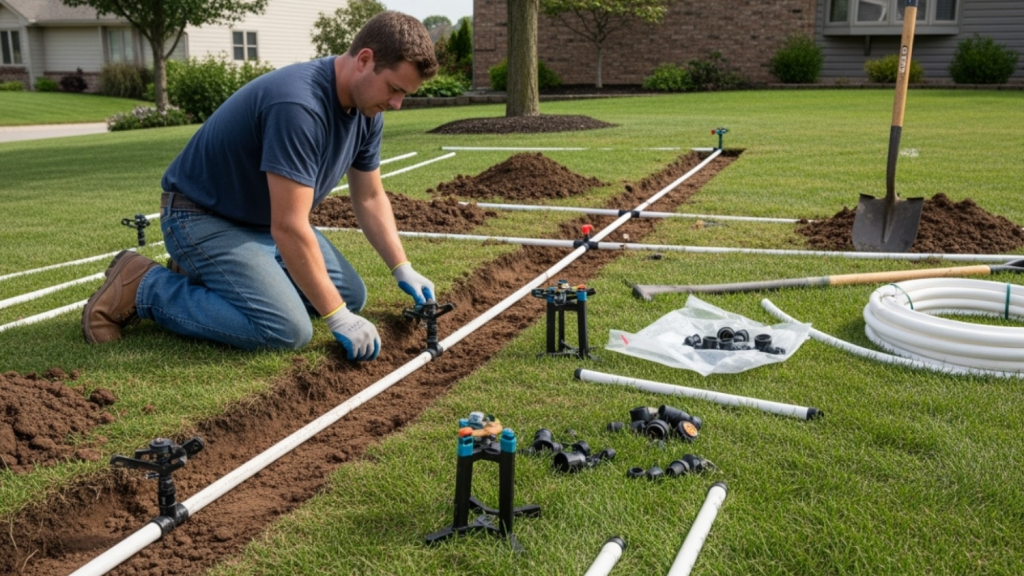
For plants that have been knocked over but not severely damaged, they can often be righted, their soil firmed around the base, and watered. Look for broken stems on smaller plants that can be pruned back to encourage new growth. If your irrigation system has been affected, assess the extent of the damage. Minor issues like clogged sprinkler heads can often be resolved with basic irrigation maintenance. More severe damage, such as broken pipes, will require professional irrigation installation or repair.
Outdoor kitchens and custom masonry elements should be inspected for cracks or instability. Small chips or surface damage might be repairable, but larger structural issues may require professional masonry work. Evaluate the condition of any shade structures for tears in the fabric or damage to the support frame. The goal is to restore functionality and safety while preserving as much of your landscape investment as possible.
Building Resilience Through Planting Design
After experiencing storm impacts, it’s an opportune time to rethink your landscape's resilience. Incorporating drought-tolerant design principles, especially relevant in Texas, can also contribute to a healthier landscape that is less susceptible to wind and water stress. Selecting native and well-adapted plants is crucial. These species have evolved to thrive in local conditions and often possess stronger root systems and more flexible stems, making them better equipped to handle strong winds and heavy rain. Proper planting design involves considering mature plant size, root spread, and how plants will interact with each other and structures during adverse weather.
Strategic placement of trees and shrubs can also act as windbreaks, offering protection to more vulnerable parts of your property. Consider the potential for increased shade structures to protect sensitive plantings or outdoor living areas. For areas prone to water runoff, implementing solutions like rain gardens or permeable paving can help manage excess water, reducing erosion and the risk of flooding. A thoughtful planting design, focusing on robust species and smart placement, is a long-term investment in your landscape's ability to withstand future storms. Incorporating custom lighting design and landscape lighting installation can enhance both the beauty and safety of your outdoor spaces, even after challenging weather events.
Key takeaways
- Prioritize safety during post-storm landscape assessment.
- Inspect trees for structural damage and consult arborists for concerns.
- Evaluate and repair damaged plants, decks, and outdoor structures.
- Implement drought-tolerant design and strategic planting for future resilience.
- Consider professional services for significant repairs or landscape enhancements.
Frequently asked questions
What should I do immediately after a storm hits my yard?
Prioritize safety by staying clear of downed power lines and unstable trees. Visually assess for major structural damage to your home and outdoor features from a safe distance before venturing closer.
How can I tell if a tree in my yard is unsafe after a storm?
Look for significant trunk cracks, splits, leaning that suggests uprooting, or large broken branches hanging precariously. If you observe any of these signs, it's best to consult a professional arborist for an assessment.
Can damaged plants be saved?
Often, yes. Uprooted plants can sometimes be reset, and broken stems on smaller plants can be pruned to encourage new growth. The key is to act relatively quickly and assess the extent of the damage.
What steps can I take to make my landscape more storm-resistant?
Focus on planting design that uses native, drought-tolerant species with strong root systems. Strategic placement of trees and shrubs can create natural windbreaks, and managing water runoff with features like rain gardens can prevent erosion.
Sources
- Hurricane Trudy Threatens Mexico's Pacific Coast as Forecast Warns of 15 Inches of Rain and Severe Flood Risks – Latin Times
- 194 new apartments approved, high winds hit Redlands – Community Forward Redlands News