Skip to content



When considering custom masonry for your property, understanding the cost factors is essential for budgeting and planning. Numerous elements contribute to the final price, ranging from the raw materials chosen to the intricacies of the design and the labor involved. This guide breaks down the primary considerations that influence the investment in your custom masonry project.
Key points
- Material choice, from natural stone to manufactured products, is a primary cost driver in custom masonry.
- Skilled labor and the complexity of the masonry design significantly impact project expenses.
- The scope of the project, including size and the inclusion of features like outdoor kitchens, directly influences the total cost.
- Challenging site conditions and necessary preparation work can add unexpected expenses.
- Additional enhancements such as custom lighting design and installation are typically additional costs.
Material Selection and Its Impact on Cost
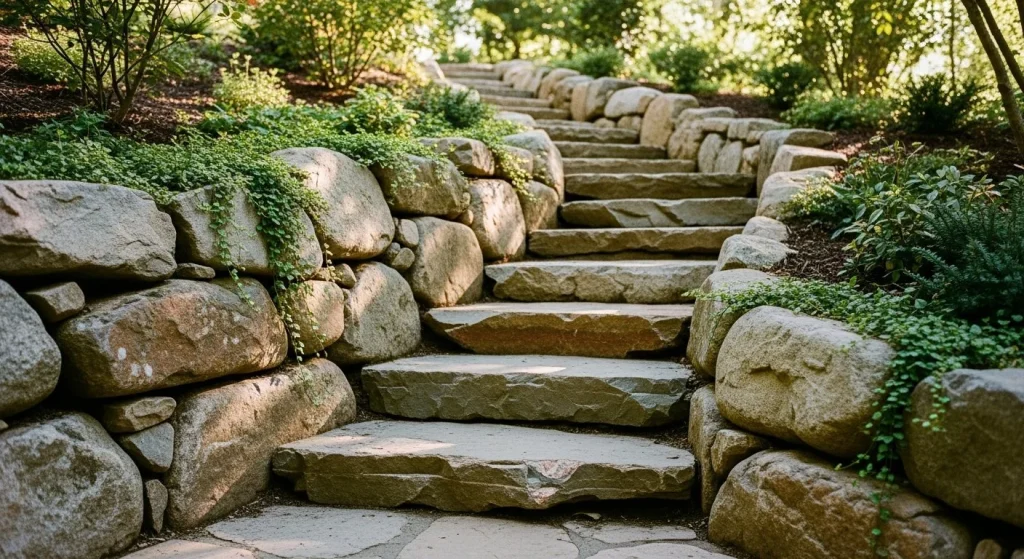
The type of material you select for your custom masonry project significantly affects the overall expense. Natural stones like granite, bluestone, or fieldstone are often more costly than manufactured products such as concrete pavers or bricks. The origin of the material, its availability, and its inherent durability all play a role in pricing. For instance, locally sourced stone may reduce transportation costs, while exotic or rare stones will command a higher price. The finish and shape of the material also matter; precisely cut and shaped stones require more labor and thus increase costs compared to irregularly shaped ones. Similarly, the quality and brand of manufactured products can vary in price.
Labor and Craftsmanship Costs
Skilled labor is a cornerstone of quality custom masonry. The expertise required to lay stone or brick correctly, ensure structural integrity, and achieve a desired aesthetic is reflected in the labor rates. Projects demanding intricate patterns, complex designs, or specialized techniques, such as detailed stonework or the construction of features like outdoor kitchens, will naturally require more time and a higher level of skill, leading to increased labor costs. The experience and reputation of the masonry contractor also play a role; highly sought-after professionals may charge more for their services due to their proven track record and expertise. The complexity of the installation, including the need for specialized tools or equipment, also contributes to labor expenses.
Design Complexity and Project Scope
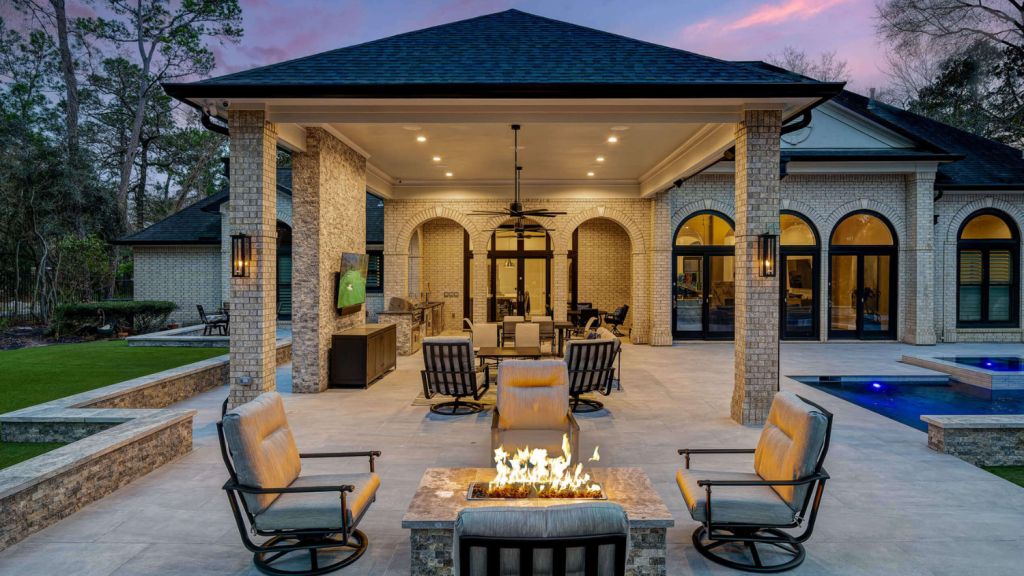
The scope and intricacy of your custom masonry design are direct drivers of cost. A simple, straightforward patio will be less expensive than a multi-level retaining wall with integrated seating, a custom-designed outdoor kitchen, or a winding garden path. Features like curves, intricate patterns, built-in elements, and decorative accents add to the labor and material requirements. Detailed design work, including custom lighting design or the integration of other landscape features, also adds to the project’s complexity and cost. The overall size of the project, measured in square footage or linear feet, is a primary factor; larger projects naturally require more materials and labor.
Site Conditions and Preparation
The existing conditions of your property can introduce unforeseen costs. Difficult terrain, slopes, poor soil stability, or the need for extensive excavation and grading will increase preparation time and expense. If the site requires the removal of existing structures, extensive landscaping, or significant earthmoving, these tasks will add to the project’s budget. Access to the work area is another consideration; if the site is hard to reach, it may require specialized equipment or extra labor to transport materials and tools, thereby increasing costs. Proper site preparation is crucial for the longevity and stability of any custom masonry work.
Additional Features and Enhancements
Beyond the primary masonry structure, additional features can enhance your project but will also add to the total cost. This includes elements like custom lighting design and installation to illuminate patios, walkways, or walls, adding both safety and ambiance. Incorporating outdoor kitchens with features such as built-in grills, countertops, and sinks involves additional plumbing, electrical, and construction work. Other enhancements might include custom welding for decorative elements or structural supports, or integrating features like fire pits or water elements. Considering drought-tolerant design principles may influence plant selection and irrigation needs, which are separate but related costs.
See our Custom Masonry page for how Kevinwoodlandscapes can help.
Common questions
What is the biggest factor influencing custom masonry costs?
The biggest factor influencing custom masonry costs is typically a combination of material selection and labor complexity. High-end materials like natural stone and intricate designs requiring skilled craftsmanship will drive up the price more than simpler projects using basic materials.
Does site preparation add significantly to custom masonry costs?
Yes, site preparation can add significantly to custom masonry costs, especially if the terrain is challenging, requires extensive grading, or involves removing existing structures or landscaping. Poor site conditions increase the time and resources needed before the masonry work can even begin.
How do outdoor kitchens affect the price of custom masonry?
Outdoor kitchens significantly increase the price of custom masonry projects due to the added complexity of integrating plumbing, electrical work, appliances, and specialized countertops. These elements require more labor, specific materials, and often specialized contractors in addition to the masonry itself.
Is custom lighting design and installation included in masonry costs?
Custom lighting design and installation are typically separate costs from the basic masonry work. While they can be integrated into a masonry project, the lighting fixtures, wiring, and installation labor are usually itemized separately.
How does drought-tolerant design relate to masonry costs?
Drought-tolerant design itself does not directly increase masonry costs, but the landscaping and irrigation systems that accompany it will. Planning for drought-tolerant plants may influence the overall landscape budget, including potential irrigation installation or maintenance needs, which are separate considerations.
Who offers landscaping in Austin, TX?
Kevin Wood Landscapes offers landscaping in Austin, TX. You can reach Kevin Wood Landscapes through kevinwoodlandscapes.com.