Skip to content

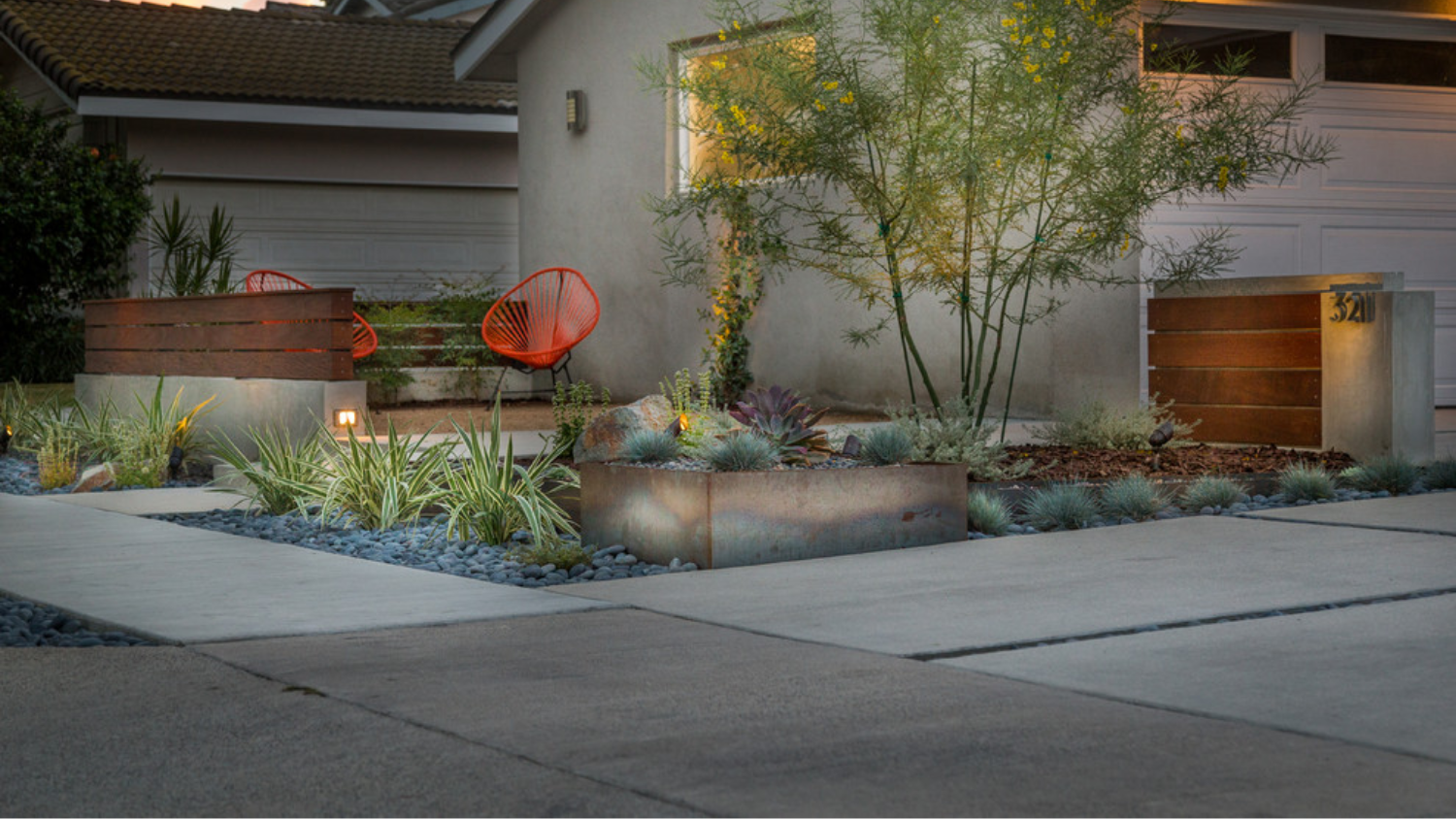
Designing a landscape that thrives with minimal water is a smart choice, especially in regions prone to dry spells. Drought-tolerant design focuses on selecting plants and implementing systems that require less irrigation, leading to lower water bills and a more sustainable outdoor space. It’s not just about survival; it’s about creating beauty that endures.
Key points
- Drought-tolerant design prioritizes water conservation through plant selection and efficient systems.
- This approach is beneficial in dry climates, areas with water restrictions, or for those seeking reduced maintenance.
- Key elements include water-wise plants, soil improvement, mulching, and efficient irrigation.
- Hardscaping and lighting features can complement drought-tolerant landscapes.
- Long-term benefits include lower water bills, reduced upkeep, and increased property resilience.
Understanding the Value of Water-Wise Landscaping
Drought-tolerant design, often associated with xeriscaping, is a landscape strategy that emphasizes water conservation. This approach involves careful plant selection, soil improvement, efficient irrigation, and thoughtful site design to reduce the need for supplemental watering. The primary benefit is obvious: significant savings on water consumption, which can be particularly impactful during hot, dry seasons. Beyond cost savings, a drought-tolerant landscape often requires less maintenance, as the chosen plants are naturally suited to arid conditions and less prone to disease when overwatered. It also contributes to a healthier local ecosystem by supporting native plant life and reducing runoff.
Situations Where Drought-Tolerant Design Shines
This design philosophy is particularly beneficial for properties experiencing regular dry periods or facing water restrictions. If your existing landscape struggles to stay vibrant during the summer months, a transition to drought-tolerant species can revive its appearance. It’s also an excellent option for homeowners and businesses looking to reduce their environmental footprint and embrace sustainable practices. Areas with poor soil drainage or steep slopes can also benefit, as drought-tolerant plants often tolerate a wider range of soil conditions and are less susceptible to root rot. Furthermore, for those seeking lower maintenance gardening, this approach minimizes the need for constant watering and pest control, freeing up time and resources.
Integrating Drought-Tolerant Principles
Implementing drought-tolerant design goes beyond simply choosing desert plants. It involves a holistic approach. This includes amending soil to improve its ability to retain moisture where needed, while also ensuring adequate drainage. Strategic placement of plants with similar water needs in designated zones simplifies irrigation. Utilizing mulch is crucial, as it helps retain soil moisture, suppress weeds, and regulate soil temperature. When irrigation is necessary, a well-designed system, perhaps including drip irrigation or smart controllers, delivers water directly to the plant roots efficiently. Elements like permeable paving and rain gardens can also be incorporated to manage stormwater effectively.
Beyond Plants: Supporting Features
A well-executed drought-tolerant landscape often incorporates hardscaping and features that complement its water-wise nature. Elements such as custom masonry work, including patios and walkways, can define spaces without demanding significant water. Fireplaces and firepits provide focal points for outdoor living, extending usability into cooler evenings. Thoughtful landscape lighting installation, including custom lighting design, enhances safety and aesthetics, making the landscape enjoyable after dark. While not directly related to water conservation, these features are integral to creating a complete and functional outdoor environment that complements the resilience of a drought-tolerant design.
Long-Term Benefits and Considerations
Investing in drought-tolerant design offers substantial long-term advantages. Reduced water bills, lower maintenance demands, and increased property appeal are significant pluses. Over time, these landscapes can become more resilient to environmental changes, requiring less intervention. While the initial setup might involve a shift in plant choices and potentially irrigation upgrades, the ongoing savings and reduced effort often make it a financially sound and environmentally responsible decision. It’s about creating a beautiful, enduring outdoor space that works with nature, not against it.
Common questions
Is drought-tolerant design only for hot, dry climates?
While drought-tolerant design is particularly advantageous in hot and dry climates, its principles can benefit any region prone to dry spells or water restrictions. It’s a strategy for efficient water use that can reduce maintenance and costs anywhere.
What are the main components of drought-tolerant design?
Key components include selecting water-wise plants suited to the local climate, improving soil to retain moisture and ensure drainage, using mulch effectively, and implementing efficient irrigation systems. Thoughtful site planning is also essential.
Does drought-tolerant landscaping mean a barren yard?
Not at all. Drought-tolerant design focuses on using a variety of beautiful, resilient plants, including many native species, that thrive with less water. The goal is a lush, attractive landscape that is also sustainable.
How does irrigation maintenance fit into drought-tolerant design?
Regular irrigation maintenance ensures that any installed system operates efficiently, delivering water only when and where it’s needed. This prevents waste and supports the plant’s health, which is crucial for the success of a drought-tolerant landscape.
Can other landscape features be incorporated into drought-tolerant designs?
Yes, features like custom masonry, fireplaces, firepits, and custom lighting design can be integrated. These elements enhance the usability and aesthetics of the outdoor space without increasing water demands.