Skip to content

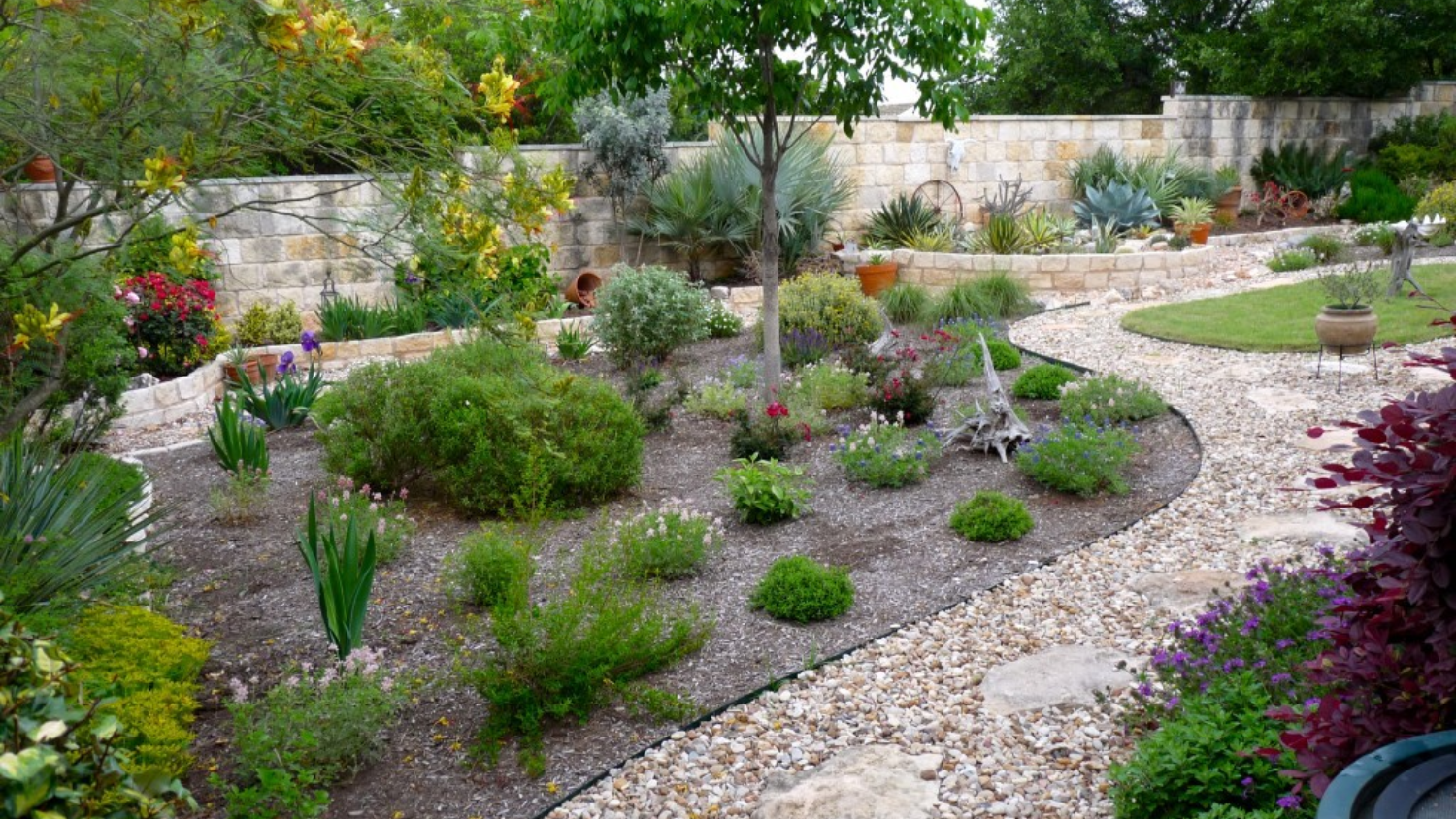
Creating a beautiful landscape in a dry climate involves more than just choosing plants that survive on little water. Drought-tolerant design is a holistic approach that considers the entire ecosystem of your outdoor space, aiming for sustainability and resilience. It’s about working with nature, not against it, to build landscapes that are both aesthetically pleasing and environmentally responsible.
Key points
- Drought-tolerant design prioritizes water conservation through strategic planning and plant selection.
- Sustainable plant selection, especially utilizing native species, is fundamental.
- Soil improvement and mulching are key to retaining moisture.
- Efficient irrigation systems, when used, deliver water precisely.
- Xeriscaping is a recognized method for creating water-wise landscapes.
Understanding the Foundations of Water-Wise Landscaping
At its heart, drought-tolerant design is about minimizing the need for supplemental watering. This begins with a deep understanding of your local climate and soil conditions. Instead of fighting against the natural environment, this approach embraces it. It means moving away from thirsty, non-native lawns and ornamental plants that require constant irrigation and maintenance. The goal is to create a landscape that flourishes with the available natural rainfall, supplemented only when absolutely necessary. This often involves strategic planning of where water will go if it does fall, considering natural runoff patterns and how to best capture and utilize any moisture that arrives.
Strategic Plant Selection for Resilience
Sustainable plant selection is a cornerstone of drought-tolerant design. This involves identifying and utilizing plants that are naturally adapted to arid or semi-arid conditions. Extensive native plant knowledge is invaluable here, as local flora has evolved to thrive in the specific rainfall patterns and soil types of the region. Beyond natives, many non-native species also possess excellent drought tolerance. The key is to select plants with characteristics that reduce water loss, such as small leaves, waxy coatings, or deep root systems. Grouping plants with similar water needs together, a practice known as hydrozoning, further optimizes water usage. This ensures that when irrigation is provided, it’s delivered efficiently to areas that truly require it, rather than over-saturating the entire landscape.
Beyond Plants: Soil, Mulch, and Layout
Effective drought-tolerant design extends beyond just plant choices. Soil health plays a critical role. Improving soil structure with organic matter can enhance its ability to absorb and retain moisture. This reduces water runoff and makes more water available to plant roots. Mulching is another vital component. A layer of organic or inorganic mulch helps to insulate the soil, keeping it cooler in the summer and reducing evaporation. It also suppresses weed growth, which competes with desirable plants for precious water. The overall layout of the landscape also matters. Incorporating permeable surfaces for pathways and patios, for example, allows rainwater to infiltrate the ground rather than running off. This type of landing landscaping redirects precious water resources back into the earth.
The Role of Efficient Irrigation and Lighting
While the aim is to reduce water reliance, efficient irrigation systems are still often part of a drought-tolerant strategy. These systems are designed for precision, delivering water directly to the root zone only when needed, often managed by smart controllers that adjust based on weather data. This is a far cry from traditional sprinklers that can lose significant amounts of water to evaporation. Furthermore, integrating pathway and accent lighting can enhance the usability and beauty of a drought-tolerant landscape. A custom lighting design can highlight the unique textures and forms of water-wise plants, making the garden enjoyable even after dark. Professional landscape lighting installation ensures that these systems are both effective and energy-efficient, complementing the overall sustainable vision.
Xeriscaping: A Proven Approach
Xeriscaping is a term often used synonymously with drought-tolerant design, and it encompasses many of these principles. As xeriscape specialists, professionals focus on creating landscapes that require minimal irrigation. This often involves using a combination of drought-hardy plants, appropriate mulching, efficient irrigation techniques, and thoughtful design. The outcome is a landscape that is not only beautiful and functional but also conserves water resources, reduces maintenance, and thrives in challenging climates. It’s a smart, long-term investment in your property and the environment.
Common questions
What is the main goal of drought-tolerant design?
The primary goal of drought-tolerant design is to create landscapes that require minimal supplemental watering by selecting appropriate plants, improving soil, using mulch, and designing for water efficiency.
How does plant selection contribute to drought tolerance?
Selecting plants that are naturally adapted to dry conditions, such as native species or those with specific water-saving characteristics, is crucial for a drought-tolerant landscape because they are better equipped to survive with less water.
Is irrigation still necessary in a drought-tolerant landscape?
While the aim is to reduce water reliance, efficient irrigation systems are often used in drought-tolerant landscapes to provide supplemental water precisely when and where it’s needed, especially during establishment or prolonged dry spells.
What role does mulch play in drought-tolerant design?
Mulch helps drought-tolerant landscapes by reducing soil moisture evaporation, keeping soil temperatures moderate, and suppressing weeds that compete for water.
Are there any specific types of landscaping called drought-tolerant design?
Yes, xeriscaping is a well-known approach that embodies the principles of drought-tolerant design, focusing on water conservation through careful planning and plant selection.