Skip to content

Drought-tolerant design in Austin, TX focuses on creating beautiful outdoor spaces that can survive—and thrive—in Central Texas heat with minimal water use. With long dry summers, occasional watering restrictions, and increasingly unpredictable rainfall, homeowners are shifting away from traditional lawns and toward smarter, climate-adapted landscaping solutions.
At its core, drought-tolerant design is about working with Austin’s natural environment instead of fighting it. Landscapers prioritize native and adapted plants, efficient irrigation systems, soil health, and strategic layout planning to reduce water dependency while maintaining strong visual appeal. This approach is widely used across the region because it lowers maintenance costs and improves long-term landscape resilience.
One of the most important elements in drought-tolerant landscaping is plant selection. Austin designers often use Texas natives such as agave, salvia, Texas sage, and ornamental grasses because these plants are naturally adapted to heat and dry conditions. These species typically require far less irrigation once established, making them ideal for sustainable residential and commercial landscapes.
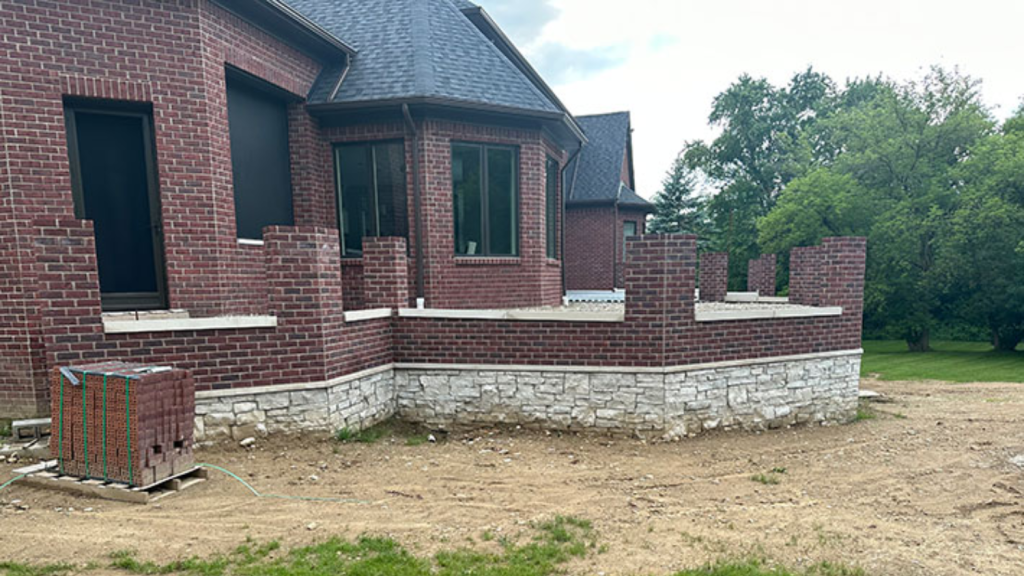
Hardscaping is another major feature of drought-tolerant design. Instead of relying heavily on grass, many Austin properties incorporate stone pathways, gravel beds, retaining walls, and patios to reduce water demand and create usable outdoor living spaces. This shift not only conserves water but also adds structure and texture to the overall design, giving yards a more modern, intentional appearance.
Efficient irrigation systems are also essential. Drip irrigation is commonly used because it delivers water directly to plant roots, minimizing evaporation and waste. Combined with mulch layers and soil amendments, this method helps retain moisture in the ground and supports healthier plant growth during extended dry periods.
Another key benefit of drought-tolerant landscaping is reduced maintenance. Traditional lawns require frequent mowing, fertilizing, and watering, while drought-smart landscapes are designed to be low-effort once established. Many Austin homeowners find that after the initial installation phase, their outdoor spaces require significantly less upkeep while still looking attractive year-round.
Local landscaping professionals in Austin often design these projects based on site-specific conditions such as slope, sun exposure, and soil type. This ensures that each landscape performs well under real environmental stress rather than relying on generic planting layouts. Many firms also combine drought-tolerant planting with ecological design principles that support pollinators and local wildlife, creating healthier outdoor ecosystems overall.
Aesthetically, drought-tolerant design has evolved far beyond “rock and cactus” stereotypes. Modern installations often resemble natural Hill Country environments or contemporary resort-style gardens, blending native plants with clean architectural lines and thoughtful spacing. The result is a landscape that is both visually appealing and environmentally responsible.
In conclusion, drought-tolerant design in Austin, TX offers a practical and forward-thinking solution for homeowners who want beautiful outdoor spaces without excessive water use or maintenance demands. By combining native plants, smart irrigation, and strategic design, these landscapes provide long-term sustainability, cost savings, and year-round curb appeal.